
You have spent hours setting up your planted tank. The substrate is perfect. The lighting schedule is dialed in. But your plants are melting, turning yellow, or growing so slowly that algae is taking over. You have heard that expensive fertilizers are the only answer, but your budget says otherwise. The good news? You do not need to spend a fortune. The secret is knowing how to identify cheap aquarium plant fertilizers that work without wasting money on junk. This guide will show you exactly what to look for, what to avoid, and how to get lush growth for pennies a day.
What Makes an Aquarium Fertilizer Both Cheap and Effective?
A cheap fertilizer that works provides all essential macro and micronutrients in a bioavailable form without relying on expensive branding or marketing gimmicks. The price tag does not determine effectiveness — the nutrient profile does.
Understanding NPK Ratios in Budget Fertilizers
Nitrogen (N), Phosphorus (P), and Potassium (K) are the three macronutrients every plant needs. Many cheap fertilizers skip one or more of these to cut costs. Look for a product that offers all three in reasonable proportions. A ratio around 10-5-10 or similar is ideal for most planted tanks.
Micronutrients Matter More Than You Think
Iron, manganese, zinc, and boron are often missing from economy fertilizers. Without them, leaves turn pale and growth stalls. A truly effective cheap fertilizer will include a comprehensive micronutrient blend, often labeled as “trace elements” or “micros.”
Avoiding Fillers and Water in Liquid Formulas
Some budget liquid fertilizers are mostly water with a dash of nutrients. Check the guaranteed analysis. If the numbers are extremely low (like 0.01% iron), you are paying for water. Concentrated formulas give you more bang for your buck.
Why Most Budget Fertilizers Fail (and How to Spot the Good Ones)
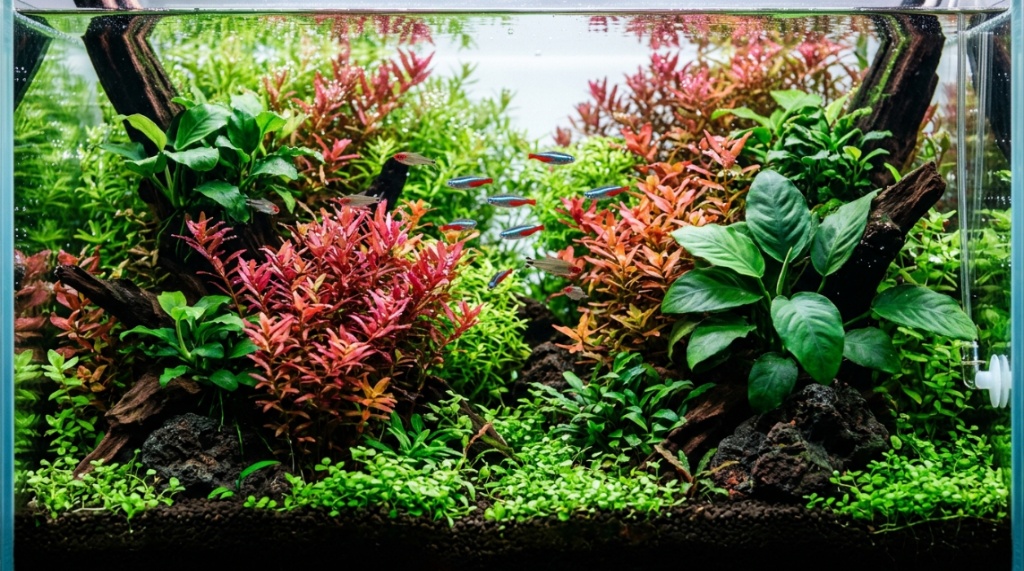
The aquarium market is flooded with cheap fertilizers that cause algae blooms, nutrient deficiencies, or simply do nothing. Understanding why they fail helps you avoid wasting money.
The Algae Trap: High Phosphates with No Plant Uptake
Many cheap fertilizers dump high levels of phosphates without balancing nitrates. Your plants cannot use the phosphorus efficiently, so algae feasts on the excess. A good cheap fertilizer maintains a balanced ratio that matches plant consumption.
The “All-in-One” Illusion
Many budget all-in-one fertilizers claim to cover everything but actually leave out calcium, magnesium, or iron. You end up buying supplements anyway. Look for full disclosure of all ingredients on the label.
Reading Labels Like a Pro
Ignore the flashy packaging. Flip the bottle over and read the guaranteed analysis. You want to see clear percentages for nitrogen, phosphate, potash, magnesium, iron, and trace elements. If the label is vague, move on.
Which Nutrient Deficiencies Signal You Need Better Fertilizer?
Your plants will tell you when your current fertilizer is not cutting it. Recognizing these signs early saves your plants and your wallet.
Yellow Leaves with Green Veins (Iron Deficiency)
New leaves showing yellowing between green veins is a classic iron deficiency. Cheap fertilizers often skimp on chelated iron. Look for fertilizers that use EDTA or DTPA iron for better uptake.
Stunted Growth and Hole-Ridden Leaves (Potassium Deficiency)
If old leaves develop pinholes or edges turn yellow and die, potassium is lacking. Many budget fertilizers provide minimal potassium because it is more expensive than other nutrients.
Slow Growth and Pale Overall Color (Nitrogen Deficiency)
When your plants just sit there looking washed out, nitrogen is the usual culprit. Cheap fertilizers sometimes use urea-based nitrogen which is less available to aquatic plants. Ammonium or nitrate sources work better.
When Should You Use Liquid vs. Root Tab Fertilizers?
Choosing between liquid fertilizers and root tabs depends on your plant types, substrate, and budget. Each has its place, and using both strategically can save you money.
Best Candidates for Liquid Fertilizers
Stem plants like rotala, ludwigia, and hornwort absorb nutrients directly from the water column. Liquid fertilizers are perfect for these. They are also cheaper per dose if you buy concentrated formulas.
Best Candidates for Root Tabs
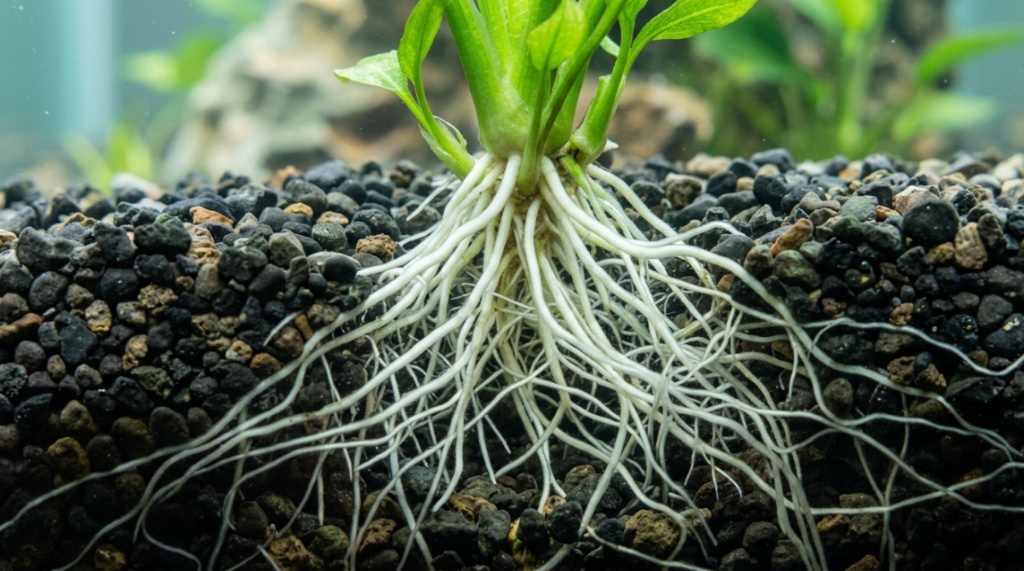
Root feeders like cryptocoryne, swords, and vallisneria get most of their nutrients from the substrate. DIY root tabs using Osmocote Plus in gelatin capsules are incredibly cheap and highly effective.
Combining Both for Maximum Value
Use cheap liquid fertilizer for stem plants and DIY root tabs for heavy root feeders. This targeted approach uses less product overall and gives each plant exactly what it needs.
How to Mix Your Own Cheap Fertilizer at Home
Making your own fertilizer is the cheapest way to get high-quality nutrients. With a few dry salts and a kitchen scale, you can mix custom formulas for pennies per batch.
Essential Ingredients for DIY Fertilizer
- Potassium nitrate (KNO3) for nitrogen and potassium
- Monopotassium phosphate (KH2PO4) for phosphorus and potassium
- Magnesium sulfate (Epsom salt) for magnesium
- Plant micronutrient mix (trace elements mix)
- Distilled water for dissolving
Simple DIY All-in-One Recipe
Mix 20g KNO3, 5g KH2PO4, 10g magnesium sulfate, and 5g trace element mix into 500ml distilled water. Dose 1ml per 10 gallons after each water change. Adjust based on plant response.
Safety Considerations for DIY Mixing
Always add salts to water, never water to dry salts. Wear gloves when handling concentrated powders. Store your mixture in a dark glass bottle away from light,cheap aquarium plant fertilizers that work
Can You Use Garden Fertilizers in Your Aquarium?
This is a tempting shortcut, but it carries real risks. Some garden fertilizers can work, while others will crash your tank.
Fertilizers That Are Safe (with Caution)
Osmocote Plus slow-release pellets are popular for DIY root tabs. They release nutrients over months and are generally safe if encapsulated properly. Never open the pellets directly into the water.
Fertilizers to Avoid at All Costs
Avoid any fertilizer with high ammonia content, urea, or copper sulfate. These are toxic to fish and invertebrates. Also avoid weed-and-feed products that contain herbicides.
How to Test Before Adding to Your Tank
Dissolve a small amount in a jar of aquarium water. Wait 24 hours and test for ammonia, nitrite, and copper. If any levels are dangerous, do not use it in your display tank.
Which Cheap Aquarium Fertilizer Brands Actually Work?
Not all budget brands are created equal. Some have earned trust through consistent results and transparent labeling.
Top Budget Liquid Fertilizer Brands
- Thrive by NilocG: Highly concentrated all-in-one with full nutrient profile. Excellent value per dose.
- Easy Green by Aquarium Co-Op: Balanced formula that is beginner-friendly and reasonably priced.
- Seachem Flourish Comprehensive: While not the cheapest upfront, the concentrated formula lasts months.
Budget Root Tab Options
- DIY Osmocote Plus capsules: Extremely cheap and highly effective for root feeders.
- API Root Tabs: Readily available and reasonably priced for smaller tanks.
- Seachem Flourish Tabs: More expensive but very effective for heavy root feeders.
What to Expect from Budget Brands
You may need to dose slightly more frequently with budget brands. Start with the recommended dose and monitor plant growth. Adjust as needed rather than following a rigid schedule.
How to Dose Cheap Fertilizers Without Overfeeding Algae
Even the best cheap fertilizer causes problems if you dose incorrectly. Algae thrive on imbalance and excess nutrients.
The “Less Is More” Rule for Beginners
Start with half the recommended dose. Increase slowly over two weeks while observing plant growth and algae. This conservative approach prevents nutrient spikes that trigger algae blooms.
Reading Plant Response Signs
Dark green leaves with new growth indicate good nutrition. Yellowing lower leaves mean you need more. Green water or hair algae means you are dosing too much or your light is too strong.
While freshwater plants depend heavily on targeted dosing, managing your water chemistry is a universal rule for any aquatic environment. If you run multiple tanks or are considering branching out into marine environments alongside your planted tanks, achieving the right mineral balance is critical. Learn the essentials of choosing the right Reef Salt for Aquarium in Your Home Setup to keep your parameters stable and your livestock healthy.
Adjusting Dosing Based on Plant Mass
A densely planted tank needs more fertilizer than a sparsely planted one. As your plants grow, increase dosing gradually. Keep a log of dosing amounts and plant response to fine-tune over time.
Is a Cheap Fertilizer Worth It for High-Tech Planted Tanks?
High-tech tanks with CO2 injection and intense lighting have higher nutrient demands. Cheap fertilizers can still work, but you must be more precise.
Nutrient Demands Under CO2 Injection
Plants grow much faster with CO2, so they consume nutrients rapidly. Cheap fertilizers may require more frequent dosing. Estimate a 30-50% increase in weekly nutrient consumption compared to low-tech tanks.
Avoiding Nutrient Lockout in High-Tech Tanks
Faster growth can lead to deficiency symptoms even with adequate dosing if ratios are off. Test your water weekly for nitrate, phosphate, and potassium to ensure your cheap fertilizer is meeting demand.
When to Upgrade from Cheap to Premium
If you consistently battle deficiencies or algae despite proper dosing, consider switching to a premium all-in-one or dry salts. Premium formulas offer finer control that budget options sometimes lack under high-demand conditions.
How to Test If Your Cheap Fertilizer Is Actually Working
Do not rely on guesswork. Use these simple tests to confirm your fertilizer is delivering results.
The Leaf Observation Method
Take a photo of your plants weekly. Compare new growth for color, size, and shape. Healthy new leaves should be vibrant green and free of holes or distortion.
DIY Nutrient Testing Kits
Invest in a liquid test kit for nitrate, phosphate, and potassium. Test your water before and after dosing to see how much is actually being absorbed. If levels remain unchanged, your fertilizer may be too weak.
The Algae Check
Some algae is normal, but if you see green water, hair algae, or black beard algae spreading, your nutrient balance is off. Reduce dosing and check your ratios before assuming the fertilizer is bad.
Conclusion
Choosing cheap aquarium plant fertilizers that work is entirely possible when you focus on nutrient content rather than brand names. You can achieve stunning plant growth without breaking the bank by understanding NPK ratios, reading labels carefully, and recognizing deficiency signs. Whether you buy budget-friendly all-in-one liquids, make DIY root tabs, or mix your own dry salts, the key is consistency and observation. Start with conservative dosing, monitor your plants closely, and adjust based on results. Your plants will thrive, your fish will benefit from a healthier environment, and your wallet will thank you.
Frequently Asked Questions
Can I use aquarium plant fertilizer for vegetables?
No. Aquarium fertilizers are formulated for aquatic plant needs and contain different nutrient ratios and forms. Using them on vegetables may cause nutrient imbalances or burn plant roots.
How often should I fertilize my aquarium plants?
Most budget liquid fertilizers recommend dosing 1-2 times per week. Root tabs typically last 2-3 months. Adjust based on plant growth and water testing results.
Is liquid or tablet fertilizer better for beginners?
Liquid fertilizers are generally easier for beginners because they distribute evenly and you can adjust dosing quickly. Tablets work well for specific root-feeding plants but require careful placement.
Do I need fertilizer if I have fish in the tank?
Yes. Fish waste provides some nutrients, but not enough for healthy plant growth. You will still need supplementary iron, potassium, and trace elements for vibrant plants.
Can too much fertilizer kill my fish?
Yes. Overdosing can cause ammonia spikes, pH swings, and oxygen depletion. Always follow dosing instructions and test water regularly, especially when using concentrated formulas.
How long does a bottle of cheap liquid fertilizer last?
Depends on tank size and dosing frequency. A 500ml bottle at standard dosing typically lasts 2-4 months for a 20-gallon tank. Concentrated formulas can last 6-8 months.
What is the cheapest way to fertilize aquarium plants?
DIY dry salt mixing is the absolute cheapest method. A $20 investment in dry salts can last over a year for most tanks. Gelatin capsules with Osmocote Plus are also extremely affordable for root tabs.