
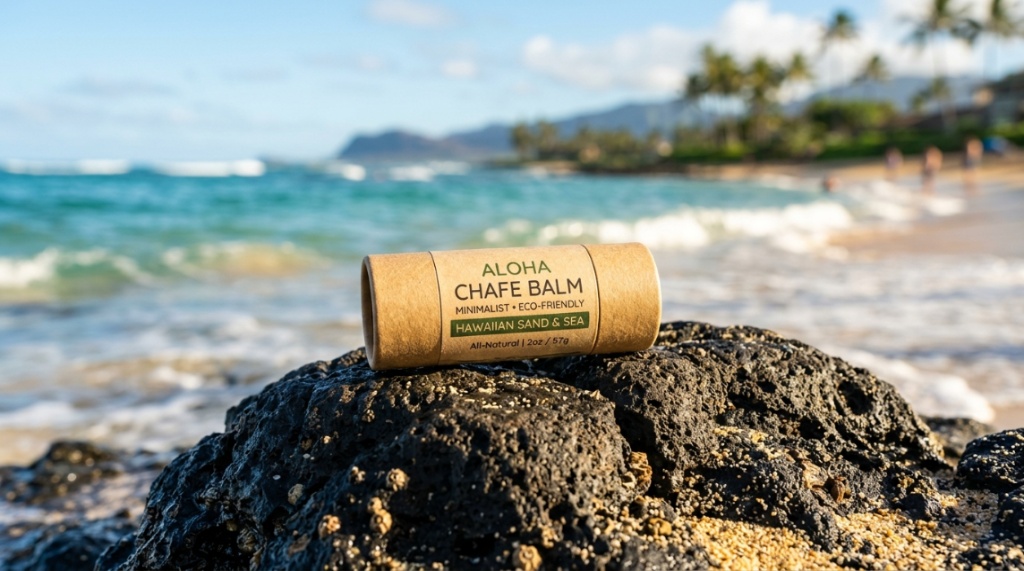
Sweat, salt, sand, and sun—Hawaii is a paradise for adventure, but for your skin, it can be a relentless battlefield. That familiar, raw sting between your thighs, under your arms, or around your waistline doesn’t just ruin a hike or surf session—it can sideline you for days. You need a solution that holds up to tropical humidity, ocean water, and long hours of movement. The problem is that most body lubricants melt, wash off, or irritate sensitive skin before lunch. That’s exactly why finding the best chafing balm HI requires specific criteria that most mainland recommendations completely miss.
What makes a chafing balm suitable for Hawaii’s climate?
The biggest difference between a standard anti-chafe stick and one that works in Hawaii is waterproof integrity and humidity resistance. In a tropical environment, your balm must withstand sweating, swimming, and repeated rinsing without breaking down or becoming tacky.
The chemistry of the balm matters greatly. Products that rely heavily on water-based silicones or glycerin often wash off within minutes of ocean contact. Hawaii-friendly formulas use a higher ratio of waxes (beeswax, candelilla wax) and water-repellent oils (coconut, jojoba, shea butter) to create a long-lasting barrier.
Texture and melt point considerations
Not all balms are created equal when temperatures hover in the 80s and 90s. A balm with a low melting point can turn into a greasy puddle in your bag or on your skin. Look for products with a melt point above 90°F (32°C) or formulas labeled “tropical-resistant.” Solid sticks with a firm but spreadable consistency often outperform soft creams in heat.
Ingredients that resist salt and sweat
Natural oils like coconut oil and shea butter are excellent for moisturizing, but they can be washed away by salt water if not paired with a protective wax base. Dimethicone (a skin-safe silicone) is actually very effective for waterproofing, despite some misconceptions about synthetic ingredients. Zinc oxide, commonly found in diaper rash creams, also provides a physical barrier that holds up well against salt and sweat.
Why do standard anti-chafe products fail in Hawaii?
Standard recommendations from mainland runners and cyclists often fall short because they were designed for dry, temperate climates. In Hawaii, humidity levels regularly exceed 70%, and you are often dealing with a combination of salt water spray, sunscreen runoff, and constant physical motion.
Products like petroleum jelly (Vaseline) and many drugstore “anti-chafe sticks” have common failure points. Petroleum jelly traps heat and can feel like a layer of grease on humid days. Many popular sticks use water-soluble polymers that dissolve the moment you start to sweat heavily. Others contain fragrances and alcohol that burn on already irritated skin.
How humidity breaks down common ingredients
Humidity causes water-based thickeners and emulsifiers to absorb moisture from the air. This changes the consistency of the balm, making it runny or sticky. Some products actually swell and create a sticky residue that grabs at clothing rather than reducing friction. This is why you need a formula with high water-resistance and low hygroscopicity (ability to absorb moisture).
The sunscreen interaction problem
Most chafing balms are applied over or near sunscreen. In Hawaii, you are likely reapplying reef-safe sunscreen frequently. If your anti-chafe balm contains oils that break down sunscreen filters, you risk both sunburn and chafing. Look for balms with non-comedogenic, non-sunscreen-disrupting base ingredients. Mineral sunscreens (zinc or titanium) interact better with wax-based balms than chemical sunscreens do.
Which ingredients should you look for in a HI-compatible balm?
For tropical conditions, you want ingredients that create a physical barrier, soothe inflammation, and resist wash-off. The optimal combination includes waxes for durability, anti-inflammatory botanicals for recovery, and minimal water content to prevent degradation.
Top barrier ingredients
- Beeswax: Natural waterproofing, high melting point, breathable.
- Candelilla wax: Vegan alternative with similar properties, slightly harder texture.
- Dimethicone: Creates a silky, non-greasy film that repels water.
- Zinc oxide: Highly protective, also offers minor UV protection and calms irritation.
Soothing and healing additives
- Aloe vera (powdered extract): Anti-inflammatory and cooling, but must be paired properly to avoid wash-off.
- Coconut oil: Antimicrobial and moisturizing, but use only as a secondary ingredient to avoid oiliness.
- Calendula extract: Great for healing skin that is already lightly chafed.
- Allantoin: Promotes cell regeneration and reduces irritation.
How do you apply chafing balm for water sports in Hawaii?
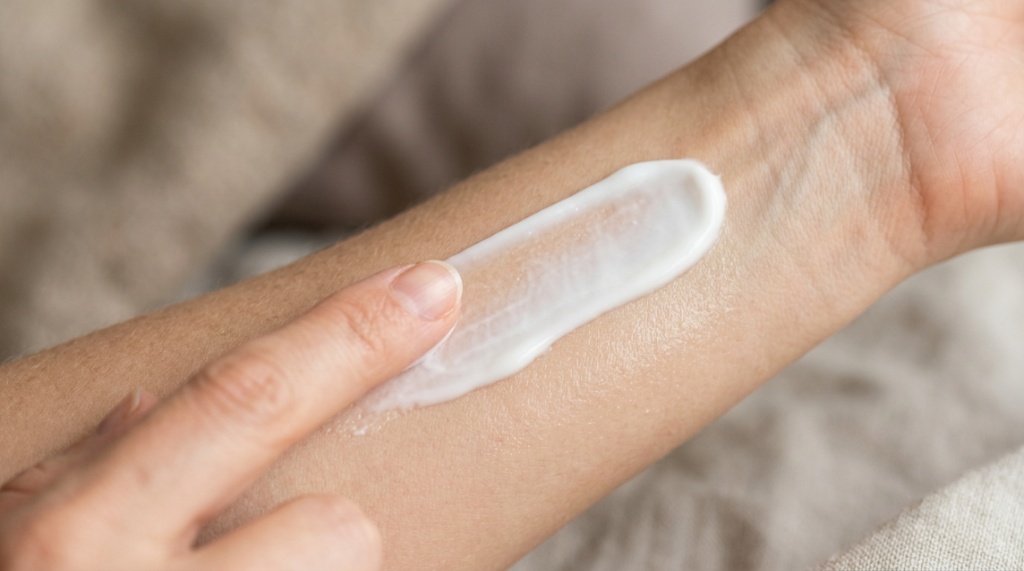
Application technique matters even more than the product itself when you are surfing, paddling, or snorkeling. Improper application leads to uneven protection and early breakthrough chafing. The goal is a thin, even layer that bonds to your skin before it hits the water.
Pre-application steps
- Clean and completely dry the area. Any residual salt, sand, or sunscreen will create gaps in the barrier.
- Apply any mineral sunscreen first, and let it dry for two to three minutes.
- Warm the balm stick or scoop between your fingers for 10 seconds to make it spreadable without dragging on the skin.
Application technique for maximum durability
Apply the balm in a single direction rather than rubbing back and forth. This creates an even film without pilling. Cover about one inch beyond the area that typically chafes. For thighs, this means from mid-thigh to just above the knee. For underarms, apply in a thin line along the seam of your rash guard or shirt sleeve. For waistbands, apply a continuous line where the elastic sits, not just on the skin underneath.
What is the difference between a balm, a stick, and a cream for tropical use?
The format of the product directly affects how long it lasts in HI conditions. Each form has trade-offs, but one clearly outperforms the others for long outdoor sessions in the heat.
| Format | Water Resistance | Heat Stability | Best Use Case |
|---|---|---|---|
| Solid stick | Excellent | Very stable | Surfing, swimming, long hikes |
| Balms (tin/jar) | Good to Excellent | Stable (check melt point) | General outdoor activity, cycling |
| Lotions/Creams | Poor to Fair | Can separate in heat | Short runs, cool weather, pre-application |
Why solid sticks generally win for Hawaii
Solid sticks (often called “anti-chafe sticks” or “body glide” type products) offer the best combination of water resistance, heat stability, and ease of application. They don’t leak, they require no hand contact, and you can reapply without washing your hands. Look for sticks with a firm, non-greasy feel that leaves a dry film once applied.
When a cream might still be useful
Creams and lotions can work well for preventative application before sleep or before a short morning run when there’s no swimming involved. They absorb faster and can deliver more moisture to dry skin. However, they typically need reapplication after any water contact. If you use a cream, pair it with a stick for touch-ups during the day.
Can you use baby diaper rash cream as chafing balm in HI?
Yes, many experienced surfers and hikers in Hawaii use diaper rash creams containing zinc oxide as a highly effective chafing balm. It is cheap, widely available, and remarkably water-resistant. However, it has specific trade-offs you need to understand.
Benefits of zinc oxide creams
Zinc oxide provides a thick, opaque barrier that holds up to salt water and sweat extremely well. It has natural anti-inflammatory properties, so it both prevents and treats chafing simultaneously. It is also safe to use on baby skin, meaning it is very unlikely to cause allergic reactions, even on sunburned or sensitive skin.
Limitations and how to manage them
Zinc cream is thick, white, and can stain clothing, towels, and surfboard deck pads. It feels pasty on the skin, and some people find it uncomfortably heavy in high heat. If you choose this route, apply a very thin layer—less than you think you need. Rub it in until the whiteness fades slightly. This reduces stain risk while still providing protection. Avoid formulas with added fragrance or cod liver oil, which can smell unpleasant in the sun.
Which Hawaiian activities require the strongest chafing protection?
Different activities create friction in different areas, and some activities demand far more from your balm than others. Knowing which activities are hardest on your skin helps you prioritize product selection and application strategy.
High-intensity activities
- Long distance surfing (2+ hours): Repeated paddling creates friction on the chest, ribs, and inner thighs. Requires maximum water resistance and a high melt point.
- Stand-up paddleboarding (SUP): Constant rubbing on the board deck, especially on the knees and shins if you paddle on your knees. Needs thick, durable coverage.
- Trail running in humidity: Heavy sweating combined with leg movement. Balm must resist being washed away by sweat, not just water.
Low-to-moderate intensity activities
- Snorkeling: Usually less intense, but fin straps can chafe. Focus on ankles and waist where the snorkel belt sits.
- Hiking (dry trails): Sweat and backpack straps cause most chafing. A balm with soothing ingredients helps here because the friction can be repetitive.
- Beach volleyball: High movement, but shorter duration. A standard stick usually works fine.
How do you test a chafing balm before buying in Hawaii?
You cannot return opened balms, but you can test them effectively before committing to a full-size product. In Hawaii, many surf shops and outdoor retailers sell small trial sizes. If a trial size is not available, use a mini test-and-wear method.
The wrist test
Apply a pea-sized amount to the inside of your wrist. Wait 10 minutes. The balm should feel dry and not sticky to the touch. If it remains tacky after ten minutes, it will attract sand and dust during use. If it feels greasy, it will likely transfer to your clothing and feel heavy.
The water bead test
Apply a line of balm to the back of your hand. Let it set for five minutes. Drip a few drops of water onto it. If the water beads up and rolls off instantly, the balm has good water resistance. If the water spreads and soaks into the balm, it will wash off in the ocean within minutes.
Where can you find the best chafing balm HI options in local stores?
Local knowledge makes a big difference in Hawaii. While big box stores carry generic options, local surf shops and outdoor gear stores stock products that locals and watermen actually use and trust.
What to ask a local surf shop employee
Ask specifically: “What do you use for long paddle sessions?” or “Which balm lasts through a dawn patrol and a second session without reapplying?” Store employees in HI are often surfers or paddlers themselves, and they can tell you which products they see returned or recommended most. Avoid asking for “the best” without context—give them your specific activity and duration.
When to order online
Local selection can be limited to the most popular 5–10 brands. If you have very sensitive skin or need a specific ingredient profile (like vegan or fragrance-free), you may find better options online. When ordering online, check the ingredient list for the heat-resistant properties mentioned earlier. Many small-batch manufacturers in Hawaii ship island-wide very quickly. For a curated list of products that meet all these tropical criteria, check this comprehensive guide to the best chafing balm HI options available.
Is natural or synthetic better for chafing balm in the tropics?
There is no clear winner because both categories have high-performing options. The key is performance in tropical conditions, not the ingredient source. A poorly formulated natural balm fails faster than a well-made synthetic balm, and vice versa.
Natural balm strengths and weaknesses
Strengths include biodegradable ingredients (important for reef safety), fewer irritants, and often better soothing properties from plant extracts. Weaknesses include lower heat stability (coconut oil melts at 76°F), potential for rancidity in humid conditions, and sometimes a greasier feel. Natural balms also tend to fail faster in water if not properly formulated with high wax content.
Synthetic balm strengths and weaknesses
Synthetic balms often use dimethicone or cyclomethicone, which provide excellent slip without greasiness. They tend to have more precise melt points and last longer underwater. Potential downsides include that some synthetic ingredients can feel plasticky, and concerns about microplastic pollution exist with non-biodegradable silicones (though many modern silicones are biodegradable).
When should you reapply chafing balm during a full day outdoors?
Reapplication timing depends on water exposure and sweat volume, not just clock hours. A single application works for about 2–3 hours of heavy swimming or surfing. For dry land activities without swimming, one application can last 4–6 hours if you aren’t sweating heavily.
Signs you need to reapply
- You feel the first hint of a burning or stinging sensation.
- Your skin feels tacky or sticky instead of smooth.
- You have been in the ocean for over 90 minutes continuously.
- You dried off with a towel and the balm came off visibly.
How to reapply effectively in the field
If possible, towel dry the area before reapplying. If you cannot dry completely, apply a slightly thicker layer. Solid sticks work best for reapplication from a wet bag because they don’t leak. Keep your balm in a ziplock bag in your beach bag or dry bag to keep sand off the surface. Reapply before major activity transitions—like from swimming to hiking, or after a long lunch break in the sun.
How to care for your skin after chafing in Hawaii
Even with the best prevention, chafing can still happen. The tropical environment makes healing slower because heat and moisture encourage bacterial growth. Proper aftercare is critical to get back on the water quickly, When navigating high humidity, protecting your skin requires a two-step approach: a high-quality barrier cream and the right performance gear. While you are choosing the right balm to protect your skin, you also need apparel that won’t trap moisture. For example, These are the top-selling tights at M&S that offer excellent moisture-wicking properties to help minimize friction during intense workouts.
Immediate post-activity care
As soon as you finish your activity, rinse the affected area with fresh water. Do not scrub. Pat dry gently with a clean towel. Apply a lightweight, fragrance-free moisturizer or a dedicated healing balm containing aloe vera, calendula, or zinc. Avoid petroleum jelly on broken skin, as it can trap bacteria.
Healing products to keep in your HI first aid kit
- Zinc oxide ointment (30–40% concentration for healing).
- Aloe vera gel (pure, no alcohol or fragrance).
- Triple antibiotic ointment (if skin is broken and you see signs of infection like redness or warmth).
- Hydrocortisone cream (1%) for itching that sometimes accompanies healing chafing.
Frequently Asked Questions
Can I use regular deodorant as an anti-chafe balm in Hawaii?
Not recommended. Deodorants and antiperspirants contain aluminum compounds, fragrances, and alcohol that can burn irritated skin and cause allergic reactions. They also wash off quickly in water and offer no real friction barrier. Stick to dedicated anti-chafe products.
Is coconut oil a good anti-chafe option for the beach?
Coconut oil is a poor standalone anti-chafe balm because it melts at 76°F, making it liquid on your skin in Hawaii. It can stain clothing and surfboards, offers limited friction reduction, and washes off in water rapidly. Use coconut oil only as a minor ingredient in a formulated balm.
Does chafing balm expire in tropical heat?
Yes. Heat and humidity degrade ingredients over time. Natural balms may go rancid after 6–12 months. Synthetic balms last 12–24 months. Store your balm in a cool, dark place out of direct sunlight. If the texture becomes gritty, oily separated, or the smell changes, replace it.
Can I use chafing balm on my face?
Most body chafing balms are not designed for facial skin, which is thinner and more sensitive. They can clog pores and cause breakouts. Use a dedicated face stick or a light layer of zinc-based sunscreen for chafing on the face, such as under a mask or hat strap.
Will chafing balm damage my wetsuit or rash guard?
Oil-based balms can degrade neoprene seams over time and leave permanent stains. Water-based and silicone-based balms are safer for neoprene and synthetic fabrics. To be safe, apply balm directly to skin, let it set for one minute, then put on your wetsuit or rash guard.
How do I remove chafing balm from my skin?
Water alone is usually insufficient. Use a mild soap (like Dr. Bronner’s or a baby wash) with warm water. A soft washcloth helps lift the barrier. For very stubborn balms, apply a little oil (coconut or olive) before washing to dissolve the wax. Finish with a gentle pat dry.
Is there a reef-safe chafing balm?
Yes. Many brands now offer reef-safe formulas that use biodegradable waxes and oils, avoiding oxybenzone, octinoxate, and microplastics. Look for brands that explicitly state “reef safe” on the label. Natural balms generally have lower environmental impact than synthetic ones, but always check the ingredient list and the manufacturer’s environmental policy.