
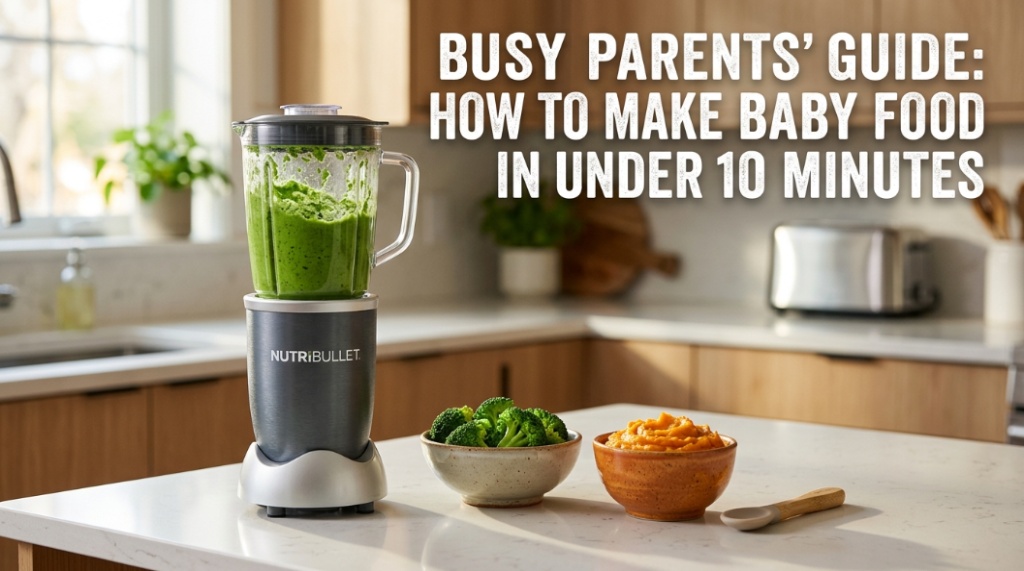
At 6:47 a.m., while the coffee machine was still warming up, a banana, a handful of steamed carrots, and an easy baby food blender turned into a nutritious breakfast for a hungry baby in less time than it took to scroll through a social media feed. That’s the reality of modern baby feeding: healthy homemade meals no longer require hours in the kitchen. Parents can prepare fresh, nutrient-rich baby food in under 10 minutes using simple ingredients, basic kitchen tools, and a streamlined routine.
What Is Fast Baby Meal Prep for Babies?
Fast baby meal prep is the process of preparing fresh, nutritious baby food quickly—usually in under 10 minutes—using simple ingredients and efficient tools such as an easy baby food blender.
Many parents assume homemade baby food requires extensive cooking, complicated recipes, and large weekend prep sessions. In reality, a few smart techniques can reduce preparation time dramatically while maintaining nutritional quality. Whether you’re introducing solids, making fruit purees, or creating textured meals for older babies, quick preparation methods make homemade feeding realistic even on the busiest days.
The growing popularity of homemade baby food is driven by three major factors:
- Greater control over ingredients
- Reduced exposure to unnecessary additives
- Lower long-term feeding costs
According to pediatric nutrition experts, introducing a variety of fruits, vegetables, proteins, and healthy fats during infancy supports healthy growth and encourages acceptance of different flavors later in childhood.
How Can Busy Parents Make Baby Food in Under 10 Minutes?
The fastest approach is to combine pre-cooked ingredients with a reliable blender and simple storage containers.
Time-saving baby food preparation depends less on cooking skill and more on having an efficient system. Instead of creating elaborate recipes, focus on nutrient-dense ingredients that blend easily and require minimal preparation.
Parents who prioritize healthy family routines often discover that nutrition and overall wellness go hand in hand. Understanding how daily lifestyle habits can reduce stress naturally can make meal planning and parenting routines easier to maintain.
5-Step Quick Baby Food Method
- Choose one fruit, vegetable, or protein.
- Use fresh, frozen, or previously cooked ingredients.
- Blend for 30–60 seconds.
- Adjust texture with water, breast milk, or formula.
- Serve immediately or refrigerate.
Examples include:
- Banana + avocado puree
- Steamed sweet potato mash
- Pear and oatmeal blend
- Pea and carrot puree
- Greek yogurt with berries
Most of these combinations take less than five minutes from start to finish.
What Equipment Makes Homemade Baby Food Faster?
A compact blender, food processor, or dedicated baby food maker can cut preparation time significantly.
While expensive gadgets are not required, the right equipment helps streamline feeding routines.
| Equipment | Preparation Speed | Best For | Ease of Cleaning |
|---|---|---|---|
| Easy Baby Food Blender | Very Fast | Daily purees | Easy |
| Food Processor | Fast | Large batches | Moderate |
| Immersion Blender | Fast | Single servings | Very Easy |
| Baby Food Maker | Fast | Steam and blend functions | Easy |
| Fork and Bowl | Moderate | Soft foods | Very Easy |
For parents considering specialized equipment, comparing the features found in the best baby food makers for convenient home preparation can help identify tools that simplify daily feeding.
Additional time-saving accessories include:
- Silicone freezer trays
- Reusable baby food pouches
- Glass storage containers
- Microwave-safe steamers
- Portion-size containers
Which Ingredients Are Best for Fast Baby Meal Prep?
Soft fruits, steamed vegetables, oats, yogurt, and pre-cooked proteins are among the quickest ingredients to transform into baby meals.
The best ingredients require little or no cooking while delivering important nutrients.
Quick Fruits
- Bananas
- Avocados
- Mangoes
- Pears
- Peaches
Quick Vegetables
- Sweet potatoes
- Carrots
- Peas
- Pumpkin
- Zucchini
Quick Protein Sources
- Greek yogurt
- Lentils
- Egg yolks
- Shredded chicken
- Beans
Quick Grains
- Oatmeal
- Rice cereal
- Quinoa
- Brown rice
Keeping these staples readily available allows parents to prepare balanced meals without extra grocery trips.
What Are the Fastest Homemade Baby Food Recipes?
Simple one-ingredient and two-ingredient recipes are usually the fastest and easiest options for busy parents.
These recipes require minimal preparation while offering variety and nutrition.
Banana Avocado Mash (2 Minutes)
- 1 ripe banana
- ½ avocado
Mash together until smooth. Serve immediately.
Berry Yogurt Blend (3 Minutes)
- ½ cup plain Greek yogurt
- ¼ cup berries
Blend until smooth.
Sweet Potato Puree (5 Minutes)
- Pre-steamed sweet potato
- A small amount of water
Blend until the desired consistency is reached.
Pea and Carrot Mix (6 Minutes)
- Frozen peas
- Cooked carrots
Steam briefly and blend.
Apple Oatmeal Blend (8 Minutes)
- Cooked oats
- Soft apple slices
Blend for a naturally sweet breakfast.
These recipes provide essential vitamins, minerals, fiber, and healthy carbohydrates without requiring extensive preparation.
How Can Parents Batch-Prep Baby Food Even Faster?
Preparing ingredients once and storing portions for later can reduce daily feeding prep to less than one minute.
Batch preparation is one of the most effective strategies for working parents.
Smart Batch-Prep System
- Steam multiple vegetables together.
- Blend each ingredient separately.
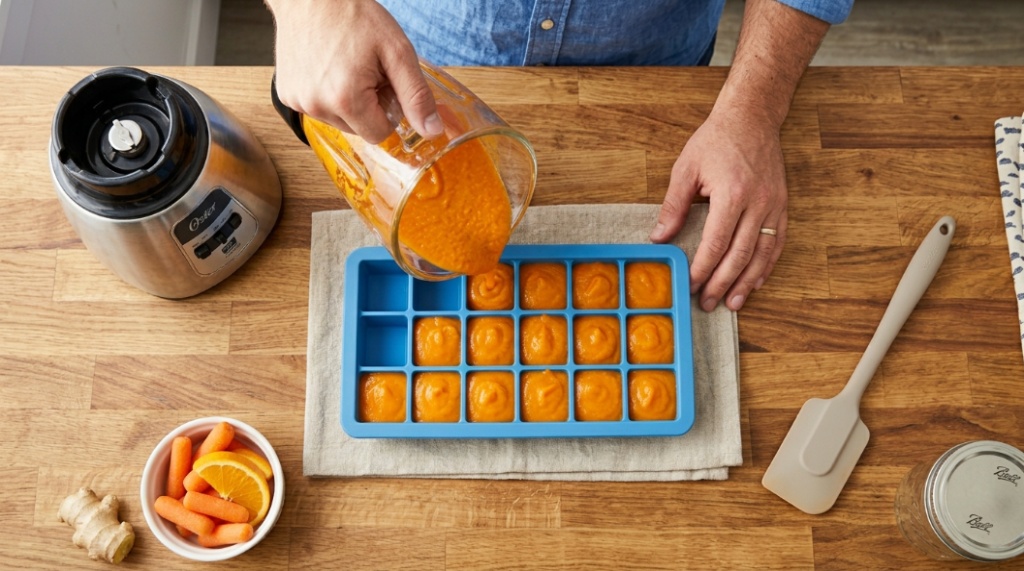
- Freeze portions in silicone trays.
- Transfer cubes to freezer bags.
- Mix combinations as needed.
For example:
- Carrot cubes
- Sweet potato cubes
- Pea cubes
- Pear cubes
- Chicken puree cubes
Parents can combine frozen portions to create customized meals within minutes.
How Long Can Homemade Baby Food Be Stored?
- Refrigerator: Up to 48 hours
- Freezer: Up to 3 months
- Prepared pouches: Follow manufacturer recommendations
Proper labeling with preparation dates helps maintain food safety.
Is Homemade Baby Food Healthier Than Store-Bought Options?
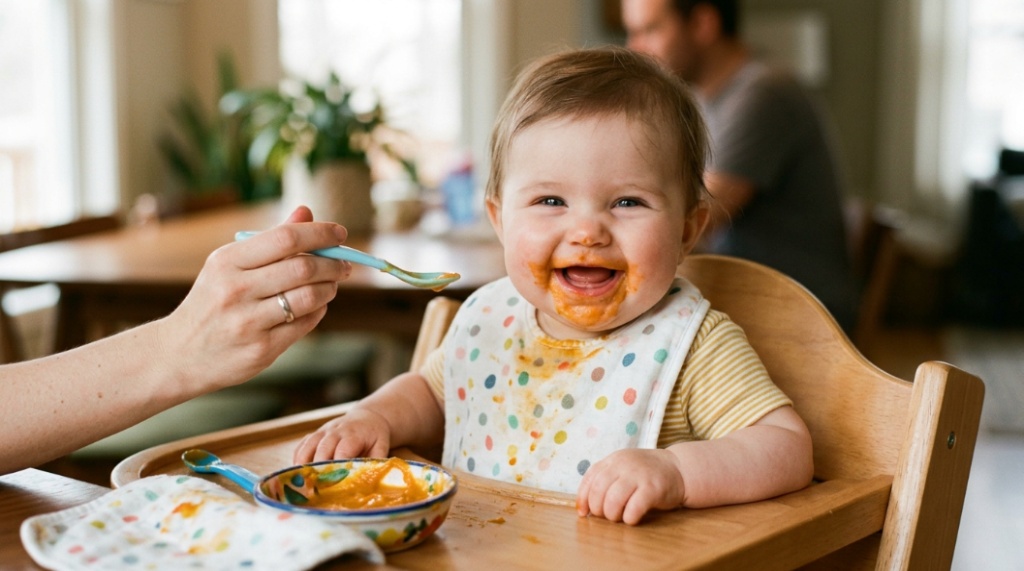
Homemade baby food often provides greater ingredient transparency and flexibility, though many commercial products can also be nutritious.
The primary advantage of homemade food is control. Parents decide exactly what goes into each meal.
| Factor | Homemade Baby Food | Store-Bought Baby Food |
|---|---|---|
| Ingredient Control | Excellent | Moderate |
| Convenience | Moderate | Excellent |
| Freshness | Excellent | Variable |
| Customization | Excellent | Limited |
| Cost Per Serving | Usually Lower | Usually Higher |
Many pediatric dietitians recommend using a combination approach when necessary. Homemade meals can form the foundation, while quality store-bought options provide convenience during travel or emergencies.
What Common Mistakes Slow Down Baby Food Preparation?
Avoiding a few common mistakes can save significant time while improving meal quality.
Mistake #1: Overcomplicated Recipes
Babies do not need gourmet meals. Simple combinations often work best.
Mistake #2: Preparing One Serving at a Time
Batch cooking dramatically reduces future workload.
Mistake #3: Ignoring Frozen Produce
Frozen fruits and vegetables are nutritious, affordable, and convenient.
Mistake #4: Using Difficult-to-Clean Equipment
Choose tools that clean quickly and require minimal assembly.
Mistake #5: Not Planning Ingredients Ahead
Keeping staple ingredients stocked eliminates last-minute stress.
How Do You Build a 10-Minute Weekly Baby Food Routine?
A simple weekly plan minimizes daily decisions and keeps healthy ingredients available at all times.
Successful meal prep often depends on consistency rather than complexity.
Sample Weekly Plan
| Day | Meal Idea |
|---|---|
| Monday | Banana and avocado |
| Tuesday | Sweet potato puree |
| Wednesday | Pear oatmeal blend |
| Thursday | Pea carrot puree |
| Friday | Berry yogurt blend |
| Saturday | Chicken vegetable puree |
| Sunday | Mixed fruit puree |
This approach reduces decision fatigue while exposing babies to diverse flavors and textures.
Conclusion: Can Healthy Homemade Baby Food Really Be This Fast?
Yes. With a few staple ingredients, a reliable blender, and a simple preparation system, most baby meals can be made in under 10 minutes.
Busy schedules no longer need to be a barrier to homemade nutrition. Fast baby meal prep allows parents to provide fresh fruits, vegetables, proteins, and grains without spending hours in the kitchen. By using freezer-friendly portions, keeping nutritious ingredients available, and choosing practical tools, homemade feeding becomes both realistic and sustainable.
Parents looking to simplify their routines further often benefit from broader wellness strategies. Learning how healthy lifestyle habits support lower daily stress can make family meal planning feel far more manageable.
Start with one simple recipe today. Build a small freezer stash tomorrow. Within a week, you’ll have a reliable system that saves time, reduces stress, and helps your baby enjoy fresh, wholesome meals every day.
FAQ: Busy Parents’ Questions About Fast Baby Meal Prep
Can I make baby food every day in under 10 minutes?
Yes. Using pre-cooked vegetables, ripe fruits, or frozen produce allows most baby meals to be prepared in two to ten minutes.
What is the best easy baby food blender for beginners?
Look for a compact blender with simple controls, dishwasher-safe parts, and enough power to create smooth purees quickly.
Can frozen vegetables be used for homemade baby food?
Yes. Frozen vegetables are often frozen shortly after harvest, helping preserve nutrients while providing excellent convenience.
At what age can babies start homemade baby food?
Most babies begin complementary foods around six months of age. Parents should consult their pediatrician regarding individual readiness.
How long does homemade baby food stay fresh?
Homemade baby food generally stays fresh for up to 48 hours in the refrigerator and approximately three months in the freezer when stored properly.
Do I need a special baby food maker?
No. A standard blender, food processor, immersion blender, or even a fork can prepare many baby foods effectively.
What foods should babies avoid during meal prep?
Parents should avoid honey before age one and follow pediatric guidance regarding choking hazards, sodium, sugar, and food allergy introductions.


