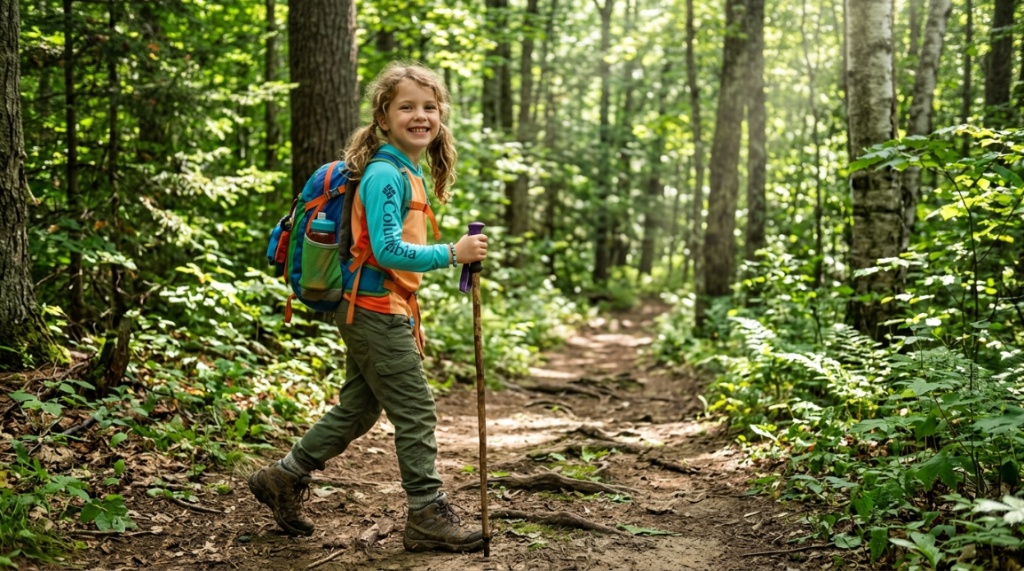
Planning a family hiking trip in Michigan means preparing for shifting weather, sandy trails, and the inevitable moment your child decides to test the durability of their gear against a tree trunk. The struggle is real: buying a pack that’s too flimsy leads to broken zippers, while buying one that’s too large leads to a miserable, unbalanced hiker. You need a backpack that balances weight, fit, and ruggedness without breaking the bank. This guide breaks down exactly what to look for in durable kids camping packs MI families can rely on, focusing on real-world trail conditions rather than marketing jargon.
Key Takeaways
- Prioritize pack weight and torso fit over brand name; a pack that is too heavy or too long will ruin the hike regardless of durability.
- Look for proven materials like ripstop nylon or heavy-duty polyester, and check stress points like zippers and seams before buying.
- Aim for a capacity between 20 and 30 liters for most Michigan day hikes and short overnight trips for children aged 6–12.
- Adjustable suspension systems and a hip belt are essential for transferring weight off young shoulders and preventing fatigue.
- Match the pack to the specific terrain, whether that’s the wet conditions of the Upper Peninsula or the sandy dunes of the west coast.
Why Standard School Backpacks Fail on Michigan Trails
It is tempting to grab a bargain-bin school backpack for a quick hike, but this usually ends in frustration. Standard book bags are designed for heavy, static loads in a controlled environment. On the trail, they lack the structural support to handle movement, and they often lack waterproofing or water resistance. When your child trips on a root in the Porcupine Mountains or slips on a wet boardwalk, the seams on a cheap pack are the first to go. Furthermore, these packs don’t have hip belts, which means all the weight sits on the shoulders, leading to sore necks and a child who is done hiking after 15 minutes. Investing in a proper hiking pack is not about luxury; it is about safety, comfort, and ensuring your child develops a love for the outdoors rather than a memory of back pain.
Critical Features for Michigan Terrain
Michigan presents unique challenges, including high humidity, sudden lake-effect rain showers, and abrasive sandy soil. When searching for durable kids camping packs MI families trust, you need to focus on specific construction details that hold up against these elements.
Fabric and Build Quality
Do not settle for cotton canvas or thin nylon. Look for packs made from ripstop nylon or high-denier polyester (typically 210D or higher). These fabrics are woven with reinforced threads that prevent tears from spreading if the pack gets snagged on a branch. Check the stitching on the shoulder straps and the base of the pack—this is where most budget packs fail. Look for bar-tack stitching (dense, zig-zag stitching) at these stress points. The base of the pack should ideally have a reinforced layer or a slightly heavier fabric to withstand being set down on rocky overlooks.
Water Resistance vs. Waterproofing
You do not strictly need a fully waterproof pack, but you do need one that can handle a downpour. Look for a pack made with water-resistant fabric or one that comes with a rain cover. A rain cover is a lightweight sleeve that fits over the entire pack. For Michigan trails, having this is a lifesaver because it allows you to use a lighter pack overall without worrying about your kid’s layers getting soaked. If the pack isn’t advertised as water-resistant, check the zippers—coated or “water-repellent” zippers are a significant advantage over standard metal ones that corrode in humid conditions.
Sizing: The “One Size Fits Most” Trap
Children grow quickly, so it’s natural to buy a larger pack to “grow into.” However, a pack that is too long will sit on the hips incorrectly, causing the load to pull backward and strain the lower back. A pack that is too wide will have straps that slip off small shoulders.
Measuring Torso Length
The most reliable way to fit a child is to measure their torso length—the distance from the prominent bone at the base of the neck (C7 vertebra) to the iliac crest (the top of the hip bones). This is more important than the child’s age or height. Most kids’ packs are designed for torsos ranging from 14 to 18 inches. If your child is on the borderline, look for a pack with an adjustable torso length (often via Velcro or a ladder-lock system). This allows the pack to fit now and be adjusted for growth spurts, extending the lifespan of the gear.
Capacity Selection
For Michigan day hikes, a 15–20 liter pack is ideal for ages 5–8. For ages 9–12 and short overnight trips (where they carry a sleeping bag and pad), look for a 28–35 liter pack. Remember that a child should never carry more than 10–15% of their body weight. If you add a heavy pack, you are setting them up for fatigue and potential injury. It is better to have a smaller pack that limits how much they can carry than a larger one that encourages overpacking.
The Importance of a Load Transfer System
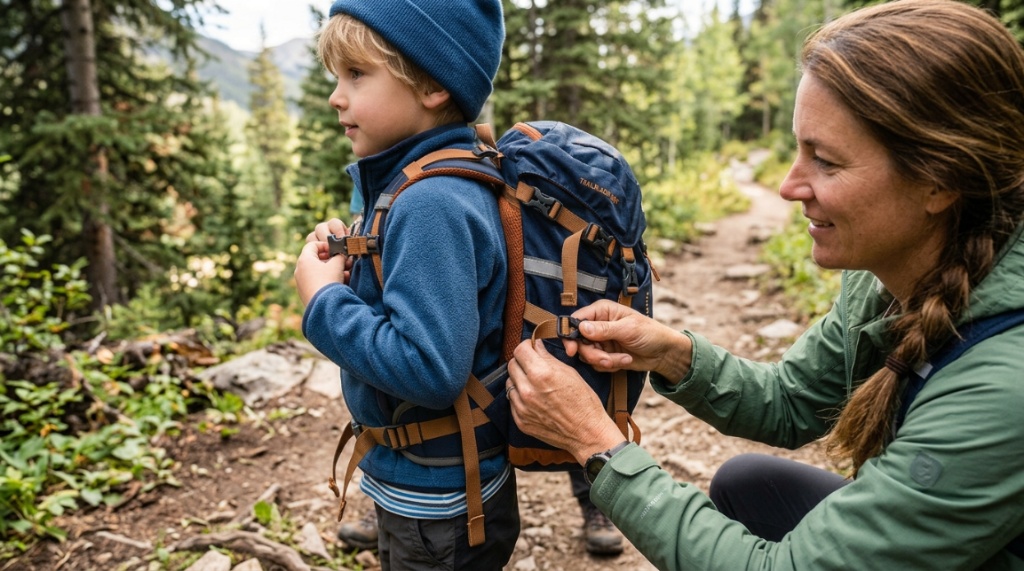
Unlike adult packs where weight rests on the hips, many cheaper kids’ packs are simply scaled-down versions with no structure. This is a major mistake. A proper kids’ pack needs a frame sheet—a rigid piece of plastic or metal inside the pack that prevents the pack from sagging onto the lower back and keeps the load stable.
Most importantly, you need a functional hip belt. Even a small hip belt transfers 30–40% of the weight to the child’s stronger leg muscles and skeleton. If the hip belt is just a thin strap that cinches tight around the waist, it can be uncomfortable. Look for padded, curved hip belts that fit snugly over the iliac crest. Additionally, a sternum strap (the clip that connects the shoulder straps at chest level) helps stabilize the pack and prevent the shoulder straps from sliding off.
Top Picks and Comparative Analysis
While specific models change frequently, certain brands consistently produce durable packs for young hikers. Here is a comparison of the types of packs you will likely encounter and their suitability for Michigan conditions.
| Pack Type / Brand Style | Best For | Key Advantage | Potential Drawback |
|---|---|---|---|
| Ultralight Minimalists (e.g., REI Co-op Flash) | Older kids (10+) on day hikes | Very lightweight; easier for kids to manage. | Minimal padding; less durable for rough handling. |
| Heavy-Duty Expedition (e.g., Deuter Fox) | Multi-day trips and rugged terrain | Excellent ventilation; robust suspension system. | Often heavier empty weight; can be overkill for short hikes. |
| Multi-Day Overnight (e.g., Osprey Ace) | Overnight camping with sleeping bags | Adjustable harness; fits growing kids well. | Higher price point; more features than needed for simple day trips. |
| Economy/Budget (Generic brands) | Very young children (3-5) doing short walks | Cheap; easy to replace. | Poor zippers; no load transfer; often fail within one season. |
Common Mistakes Parents Make
Even with a great pack, there are common pitfalls that lead to broken gear and unhappy kids.
Overloading the Pack
Just because the pack can hold 30 liters doesn’t mean it should be full. Use the 10–15% body weight rule. A 60-pound child should carry no more than 9 pounds. This includes the weight of the pack itself. If the pack weighs 3 pounds empty, they only have 6 pounds for water, snacks, and layers.
Ignoring the “Drop Test”
Kids do not treat gear gently. They throw packs down on gravel, use them as sleds in the winter, and drop them from picnic tables. Before buying, inspect the pack for a reinforced bottom. Some packs use a “durable base” or “wear guard” material. If the pack has a single layer of thin nylon on the bottom, it will wear through quickly on the sandy, gritty trails of Sleeping Bear Dunes.
Skipping the Rain Cover
Michigan weather changes fast, especially in the Upper Peninsula. If your pack doesn’t have an integrated rain cover, purchase a separate one. It is much easier to pull a cover over a pack when the sky opens up than to try and line the inside of the bag with a trash bag while holding a trekking pole and a squirming child.
Longevity: Making the Pack Last
A good kids’ pack should last through multiple growth spurts, not just one trail season. To maximize its lifespan, follow these steps:
- Adjust the suspension as they grow: Many packs have adjustable torso lengths. Measure your child’s torso once a year and adjust the pack accordingly.
- Clean sandy zippers: Sand from Lake Michigan beaches is abrasive. After a beach hike, wipe the zipper tracks with a damp cloth to prevent the sand from grinding down the teeth.
- Store loose: Do not store the pack fully packed. This stretches the fabric and stresses the frame sheet. Loosen all straps and store it hung up with a little internal volume.
- Check the hardware: Inspect the buckles and clips for cracks before each major trip. Plastic buckles get brittle in cold weather and can snap when tightened if they have hairline fractures.
What About Used Gear?
Buying a used kids’ pack is a smart financial move, but buying used for Michigan trails requires scrutiny. Kids’ packs take a beating, and a used pack may have hidden damage. Check the foam padding in the hip belt and shoulders—if it is compressed and no longer springs back, the load transfer will be ineffective. Examine the frame sheet (if removable) for cracks. Inspect the interior lining for mold or mildew, which is common in humid Michigan summers. If the pack has a musty smell, skip it; getting the mold out of the foam is nearly impossible. However, if the seams are intact and the zippers run smoothly, a used pack from a reputable brand like Osprey (which has a lifetime warranty) can be an excellent value.
Frequently Asked Questions
At what age can a child start using a real hiking backpack?
Around age 4 or 5, a child can start carrying a small, lightweight pack (10-15 liters) with just their own snacks and a rain jacket. Before that, their skeletal structure is too delicate for carrying weight, and the parents should carry everything.
Is a hydration bladder (CamelBak) worth it for kids?
Yes, but with caution. A hydration hose encourages kids to drink more, which is great. However, bladders are difficult to clean and can leak if not sealed properly. For younger kids, a simple water bottle in a side pocket often works better because they can see how much is left and it is easier to refill. If you do use a bladder, ensure the pack has a dedicated sleeve for it to keep the weight close to the back.
How does the “durable kids camping packs MI” climate affect material choice?
The high humidity and frequent rain in Michigan mean that cotton and untreated leather are poor choices. They absorb water, adding significant weight and drying slowly, leading to mildew. Synthetic fabrics like nylon and polyester are preferred as they dry quickly and resist rot. Always choose a pack with corrosion-resistant coated zippers.
Should I buy a pack with a built-in raincover or buy one separately?
Built-in rain covers are convenient and hard to lose, but they add weight and can be awkward to deploy. A separate rain cover is often lighter and can also be used over a daypack or stroller. For Michigan, a separate cover is usually better because you can use it on non-hiking gear too. However, ensure the pack itself is water-resistant, as a cover only protects the front and top, not the back panel.
Can I use a kids’ hiking pack for airline travel?
Yes. Most packs in the 25-35 liter range are suitable as carry-on luggage for most airlines. The frame sheet is usually flexible or small enough to fit in overhead bins. This makes them perfect for families who want to hike in Michigan’s National Parks and travel by plane without checking bags.
What is the difference between a kids’ pack and an adult small pack?
Adult small packs often have a similar volume but feature harnesses designed for adult shoulder width and torso lengths. A kids’ pack has narrower shoulder straps that don’t slide off small shoulders, and the hip belt is positioned higher to rest on the actual hips rather than the waist. Using an adult small pack is rarely comfortable for a child and can cause the load to bounce.
Conclusion
Finding the right backpack for your young Michigan explorer is about balancing weight, durability, and fit. Resist the urge to buy the cheapest option or an oversized pack for the sake of “growing into it.” Focus on the suspension system, material quality, and the specific type of hiking you plan to do—from the rolling hills of the Lower Peninsula to the rugged trails of the Upper Peninsula. Prioritize a pack with a hip belt and a frame sheet to keep the weight off their spine. With the right gear, your child will not only complete the trail with energy to spare but will also be eager for the next adventure. Take the time to measure your child, check the seams and zippers, and choose a pack that can handle the mud, sand, and fun that Michigan trails deliver.