Golf is a game of precision. Even the smallest flaw in your swing can cost you strokes. Many golfers spend years trying to fix problems they cannot even see. That is where a golf swing analyzer device comes in. These compact tools attach to your club or glove and capture data about every swing you take. They give you clear numbers and visual feedback so you can understand exactly what is going wrong — and how to fix it.
Whether you are a beginner or a seasoned player, a swing analyzer can change the way you practice. Instead of guessing, you get facts. Instead of vague advice, you get specific data. This guide will walk you through everything you need to know about using one of these devices to improve your game.
What Is a Golf Swing Analyzer Device?
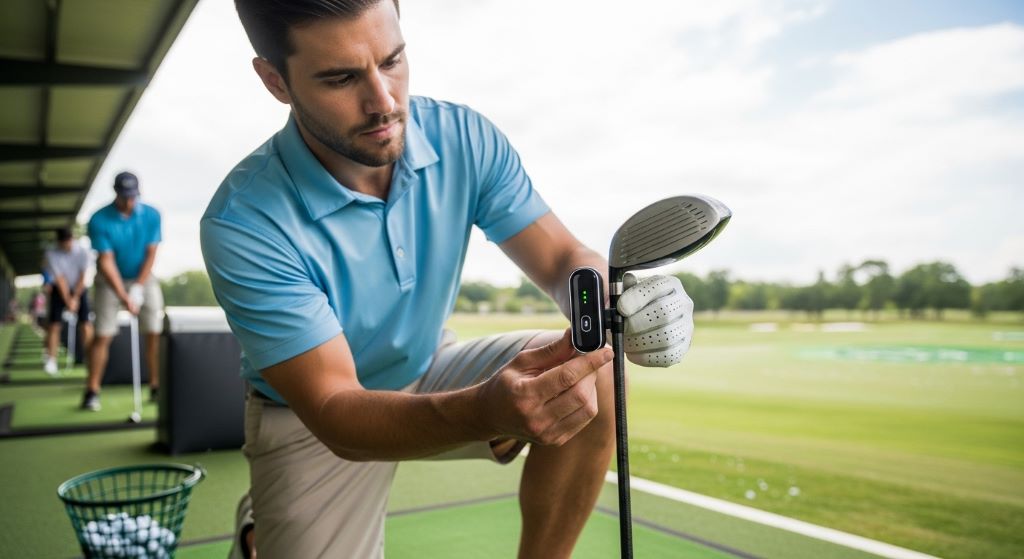
A golf swing analyzer is a small sensor that tracks the mechanics of your swing. Most devices clip onto the shaft of your club or fit into a glove. They connect to a smartphone app via Bluetooth and record data in real time.
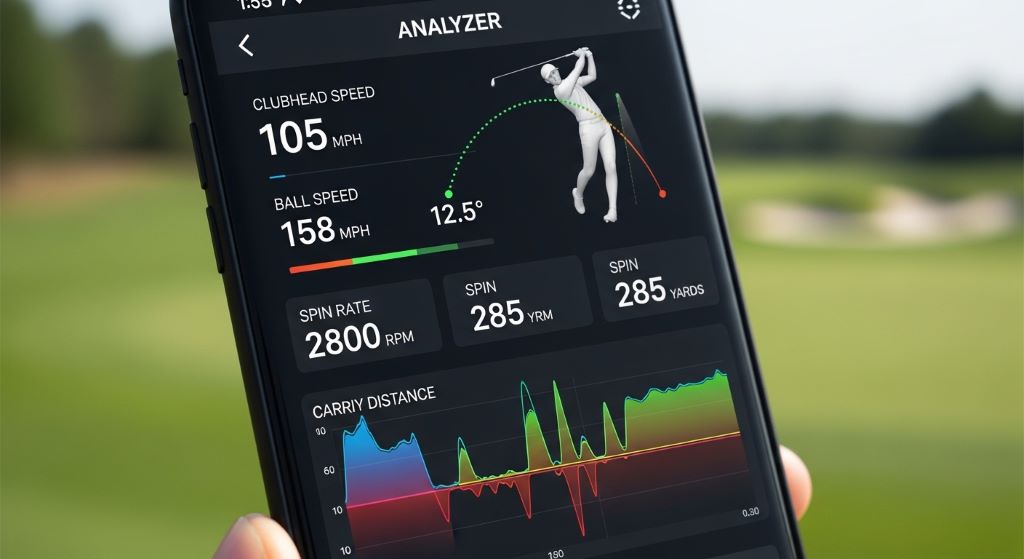
These devices measure things like club speed, swing tempo, backswing angle, impact position, and follow-through path. Some advanced models even record video and overlay data on top of the footage. This combination of numbers and visuals makes it easy to spot problem areas.
Today, swing tracking tech has become more affordable and accessible than ever before. You no longer need to visit a professional fitting center to get this kind of analysis. You can do it right on your local driving range or even in your backyard.
Why Data-Driven Practice Matters
Many golfers practice a lot but improve very little. The reason is simple: they repeat the same mistakes without realizing it. Hitting two hundred balls at the range feels productive. However, if your swing path is off and you do not know it, you are just reinforcing a bad habit.
Data-driven practice breaks this cycle. When you can see your swing tempo is too fast at the top, you know exactly what to slow down. When your club face angle at impact is open, you understand why your shots keep fading right. This kind of clarity speeds up improvement dramatically.
Additionally, tracking your progress over time keeps you motivated. Seeing your club speed increase by five miles per hour over a month is deeply satisfying. It proves that your practice is working.
Choosing the Right Device for Your Needs
Not all swing analyzers are the same. Before buying one, think about what matters most to you.
If you are a beginner, look for a device that is simple to set up and easy to understand. You want clear visuals and basic metrics like tempo and club speed. Complicated data can overwhelm new players and slow down learning.
If you are an intermediate or advanced player, you may want more detailed feedback. Look for devices that measure swing plane, shaft lean at impact, and attack angle. These metrics become important when you are trying to fine-tune your technique.
Also consider battery life, app compatibility, and durability. Some devices work only with iOS, while others support Android too. Make sure the app is regularly updated and well-reviewed. A great sensor paired with a poor app will frustrate you quickly.
Price is another factor. Entry-level analyzers start around thirty dollars. Professional-grade golf performance tools can cost several hundred dollars. Choose based on your commitment level and budget. A mid-range device usually offers the best value for most recreational golfers.
Setting Up Your Swing Analyzer
Getting started is usually straightforward. Here is a simple process to follow.
First, charge the device fully before your first session. Most analyzers use a USB or magnetic charger. Second, download the companion app on your smartphone and create an account. Third, attach the sensor to your club according to the manufacturer’s instructions. Most clip onto the grip end of the shaft.
Once the device is connected via Bluetooth, open the app and select the club you are using. This is important because the software adjusts its calculations based on club type. A driver swing is analyzed differently from a wedge swing.
Now take a few practice swings to calibrate the sensor. Most apps will prompt you to do this. After calibration, you are ready to start your session. Swing normally and let the device capture your data. Avoid overthinking during this phase. The goal is to record your natural swing first.
Understanding Your Swing Data
After your session, the app will display a range of metrics. This is where the real learning begins. However, it is easy to feel overwhelmed at first. Therefore, start by focusing on just two or three key numbers.
Club head speed is a good place to begin. This tells you how fast the club is moving at impact. Faster speed generally means more distance, but only if the club face is also square at contact.
Swing tempo is equally important. Tempo refers to the ratio of your backswing time to your downswing time. Most professional golfers have a tempo ratio of around three to one. If your ratio is off, your timing will suffer. This often leads to inconsistent contact.
Swing plane is another valuable metric. It describes the angle at which the club travels through the hitting zone. An ideal plane keeps the club on a consistent path through impact. Deviations from the ideal plane often cause slices or hooks.
Once you understand these basics, you can gradually explore more advanced metrics. Take your time. Trying to fix everything at once will only create confusion.
Building a Practice Routine Around Your Data
Having the data is only half the job. Knowing how to use it in practice is what truly drives improvement.
Start each session by reviewing your most recent data. Identify one or two areas that need work. Then design your practice around those specific issues. For example, if your tempo is too rushed, spend fifteen minutes doing slow-motion swings and focus on feeling a smooth transition at the top.
Use drills that target your identified weaknesses. Many swing analyzer apps include built-in drill libraries linked directly to your data. These suggestions are based on your actual numbers, which makes them far more useful than generic advice.
Additionally, compare your current data to your historical sessions. Look for trends over time. Is your club speed improving? Is your swing plane getting more consistent? These trends reveal whether your practice approach is working or needs adjustment.
Record short video of your swing alongside the sensor data whenever possible. Watching yourself swing while reviewing the numbers side by side creates a powerful feedback loop. You begin to feel what the data is describing, and that feeling is what leads to lasting change.
Common Mistakes Golfers Make With Swing Analyzers
Even with the best golf performance tools available, some golfers fail to see results. Usually, this comes down to a few common mistakes.
The first mistake is practicing too many things at once. Improvement comes from focused repetition. Pick one problem and work on it until you see progress. Then move to the next issue.
The second mistake is ignoring the data and relying only on feel. Feel is important in golf, but it can be deceiving. Many golfers think their swing looks and feels great when the numbers tell a different story. Trust the data, especially in the early stages.
The third mistake is using the device only at the range. Swing tracking tech is most powerful when used consistently across many sessions. The more data you collect, the clearer your patterns become. Try to use your analyzer every time you practice.
Finally, some golfers forget to check their setup before each session. A loose sensor or incorrect club selection in the app can skew your data. Always take a moment to verify everything is properly configured before you start hitting balls.
Working With a Coach Using Swing Data
A golf swing analyzer becomes even more powerful when combined with professional instruction. Many coaches now use this technology as a regular part of their teaching process.
Share your session data with your coach before your lesson. This gives them a clear picture of your tendencies before you even step on the range. They can spot patterns in your data that you might have missed. Therefore, your lesson time becomes more focused and efficient.
During the lesson, your coach can watch the data update in real time as you swing. This allows them to give instant feedback based on objective numbers rather than just visual observation. The combination of expert eyes and accurate data is difficult to beat.
After the lesson, you have a record of the session to review later. You can see exactly what changed and use that as a benchmark for your next practice sessions.
Conclusion
A golf swing analyzer device is one of the most practical investments a golfer can make. It removes the guesswork from practice and replaces it with clear, actionable data. By understanding your swing metrics, building targeted practice routines, and tracking your progress over time, you can make real, measurable improvements to your game.
Whether you are trying to add distance off the tee, improve your ball-striking consistency, or eliminate a stubborn slice, these devices give you the insight to do it faster. Swing tracking tech continues to evolve rapidly, making it easier and more affordable for golfers of all levels to access professional-quality analysis.
Start simple, stay consistent, and let the data guide your development. The results will speak for themselves.
Frequently Asked Questions
How does a golf swing analyzer attach to my club?
Most devices clip onto the grip end of the shaft or slide into a slot on a smart glove. They are lightweight and designed not to interfere with your natural grip or swing.
Do I need a smartphone to use a swing analyzer?
Yes, nearly all modern swing analyzers connect to a companion smartphone app via Bluetooth. The app is where your data is displayed, stored, and analyzed.
Can a swing analyzer help fix a slice?
Absolutely. A swing analyzer can identify the swing path and club face angle issues that typically cause a slice. Once you see the data, you can work on targeted drills to correct those specific problems.
How often should I use my swing analyzer?
Ideally, use it every time you practice. Consistent data collection over multiple sessions reveals patterns and trends that a single session cannot show.
Are golf swing analyzers accurate?
Most reputable devices are highly accurate for the metrics they measure, such as club speed, tempo, and swing plane. However, slight variations can occur depending on sensor placement and calibration. Always follow the setup instructions carefully.
Related Topics:
How 60mm Wheels Improve Speed and Stability on Skateboards
6 gym exercises to avoid and change it right now