
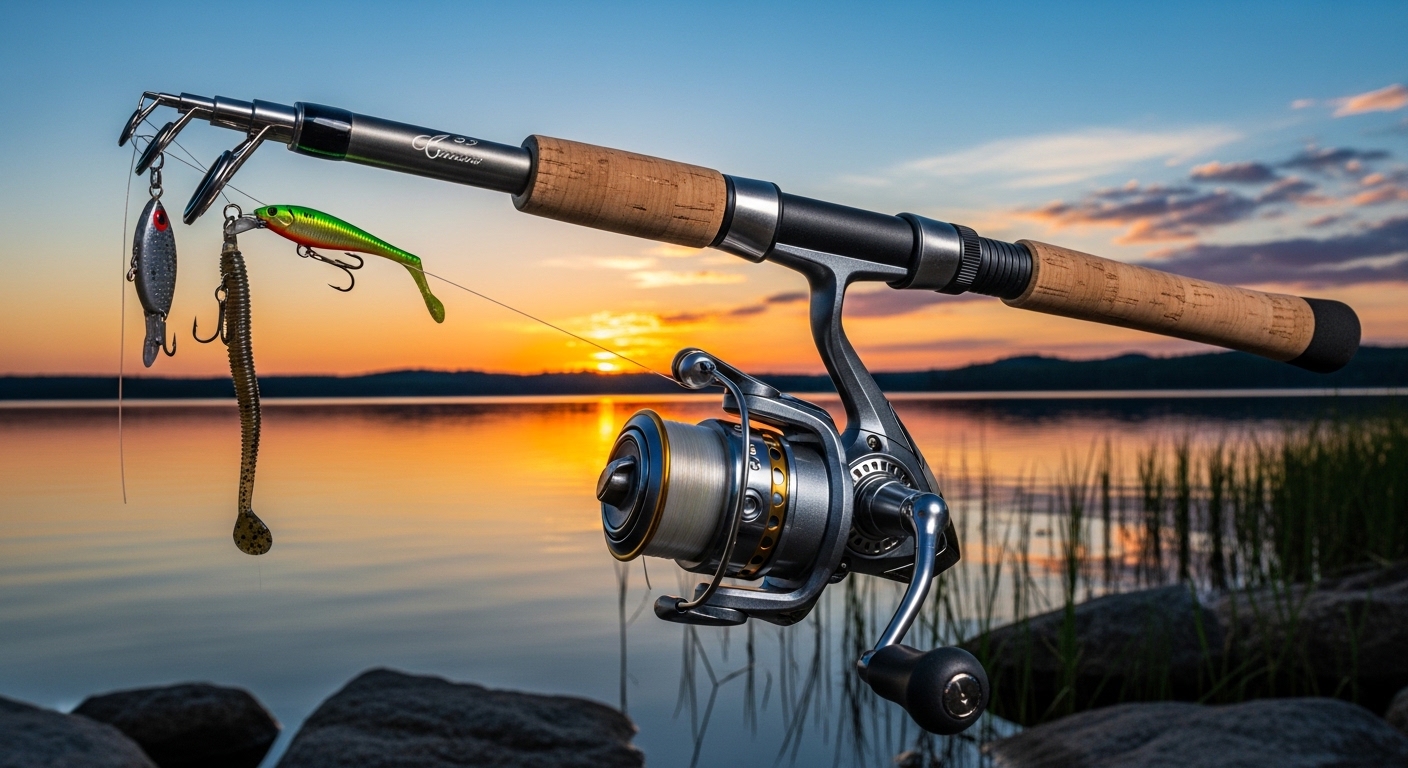
A telescopic fishing rod combo is a game changer for anglers who crave portability and flexibility without sacrificing performance. Whether you’re new to fishing or looking for an easy-to-carry solution, these rods make fishing accessible anywhere, anytime.
Quick Answer: To use a telescopic fishing rod combo effectively, you must first extend the rod with care, attach the reel properly, spool your line, and use suitable lures or bait. Regular cleaning, correct casting, and mindful transport are crucial to maintain performance, especially for beginners and travel anglers.
What makes a telescopic fishing rod combo unique?
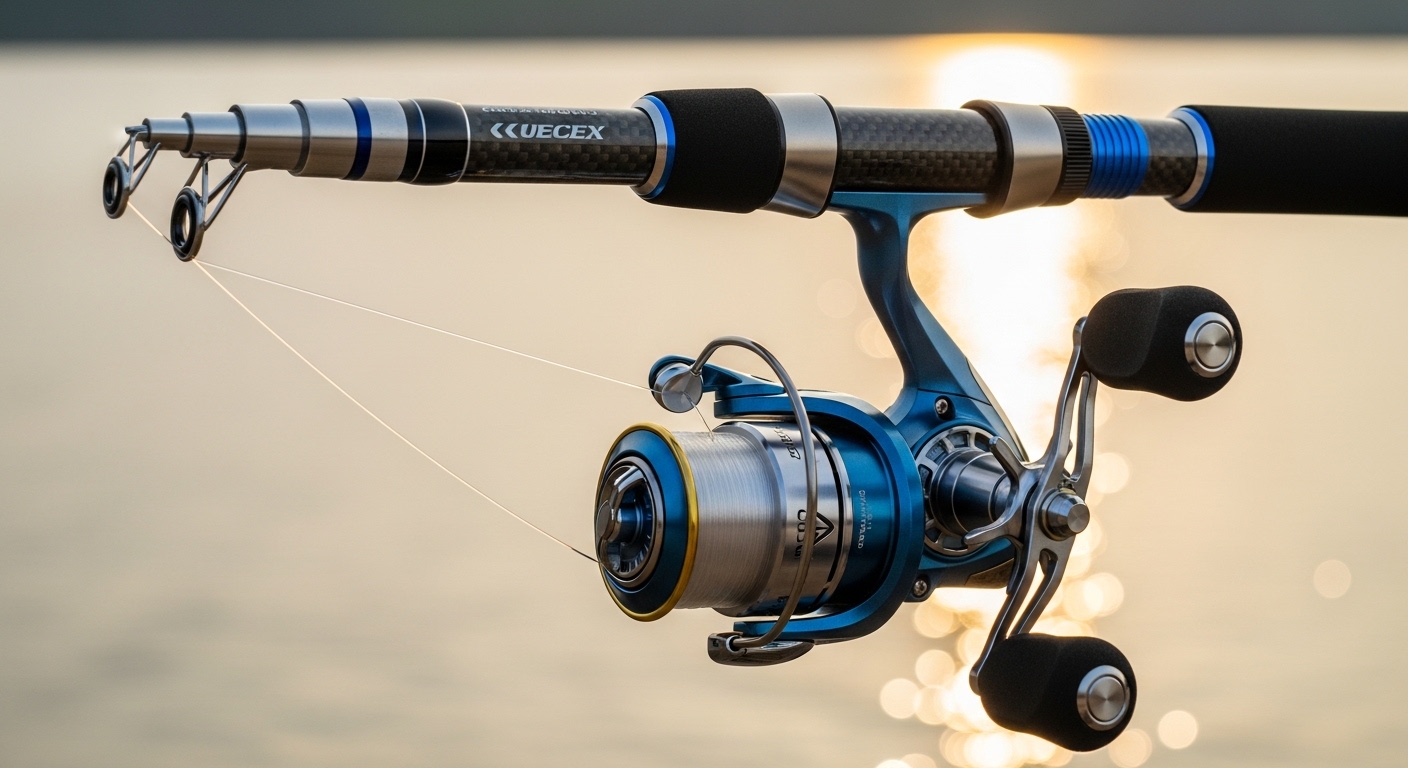
A telescopic fishing rod combo stands out for its collapsible design, allowing anglers to extend or retract it easily. This makes it incredibly portable. Combined with a matching reel, it offers convenience, space-saving storage, and on-the-go fishing capabilities unmatched by traditional rods.
Traditional rods can be cumbersome and hard to transport. Many anglers, especially those who travel or fish spontaneously, struggle with bulky gear. The telescopic fishing rod combo solves this by collapsing down to a compact size, fitting easily in backpacks or car trunks. Most combos come with a reel perfectly matched to the rod’s length and tension, ensuring seamless use out of the box.
- Fits in a backpack or suitcase
- Quick setup and teardown
- Ideal for various fishing styles

How do you properly set up a telescopic fishing rod combo?
Set up your telescopic fishing rod combo by gently extending each section until fully locked. Attach the reel securely to the seat. Then, thread your fishing line through all guides, secure your hook or lure, and ensure everything is tight before casting.
Improper setup can lead to accidents or rod damage. First, check the rod for dirt or debris before extension. Hold the thickest section and slowly extend each thinner section, making sure every segment clicks into place. Avoid forcing any section. Next, align the guides and mount the reel onto the rod’s reel seat; tighten the seat so there’s no wobble. Spool your line, running it through each guide ring, and tie on your lure or bait. Always check that all parts are secure, and never over-tighten—this can damage the rod or strip the reel seat threads.
- Inspect and clean your rod before use.
- Extend each segment fully, starting from the tip.
- Line up guides and attach reel securely.
- Thread fishing line and tie your lure.
Why should you choose a telescopic fishing rod combo for travel and beginners?
A telescopic fishing rod combo is the top choice for travelers and beginners because it’s compact, lightweight, and user-friendly. It simplifies storage, transport, and setup, making spontaneous or frequent fishing trips possible and stress-free for newcomers.
Traveling anglers often face limited space. Telescopic rods eliminate bulky cases. For new anglers, the combo packs provide everything needed right away—no guesswork about matching rod and reel. Telescopic sets typically come with basic accessories, so beginners aren’t overwhelmed with choices. The intuitive extend-and-lock mechanism is less intimidating than assembling traditional multi-piece rods. Plus, these combos are generally inexpensive but functional, letting you test fishing without a big investment.
How can you cast effectively with a telescopic fishing rod combo?
Effective casting with a telescopic fishing rod combo depends on a smooth, gentle motion. Practice your casting technique, ensuring you don’t overload the rod. Use lures or baits within the rod’s specified weight range for optimal distance and accuracy.
Many users mistakenly use heavy weights or force their casts, risking damage. The design of telescopic rods means they flex more; a slower, controlled casting motion prevents snapping or segment collapse. With spinning combos, use your dominant hand to grip the rod above the reel, open the bail, pull the line, and swing the rod back and forth for momentum. Release the line at the forward motion’s apex. Always check your lure weight—it should fall between the combo’s minimum and maximum casting weight. Practicing in an open space improves timing and placement, reducing frustration and tangles.
What are the maintenance tips for a telescopic fishing rod combo?
To keep a telescopic fishing rod combo in top shape, always clean it after use, especially after saltwater trips. Dry thoroughly before collapse, lubricate joints occasionally, and store in a soft case. Regularly check for sand, grit, or wear in the locking sections.
Neglect is common with telescopic rods because they’re easy to pack. But sand or water trapped in joints can ruin their function. Rinse the rod with fresh water after every use—this is vital for saltwater. Let it air dry fully. Before collapsing, feel for any resistance; if parts grit or stick, clean again. Apply a small amount of silicone spray or rod joint lubricant to keep extension smooth. Reel maintenance includes wiping down, greasing moving parts, and re-spooling line as needed. Use a soft cloth to avoid scratching. Always collapse and store your rod in a clean area, away from direct sun or extreme cold.
What are the pros and cons of using a telescopic fishing rod combo?
A telescopic fishing rod combo offers unrivaled portability and quick setup, but it isn’t as robust as one-piece rods. While ideal for travelers and beginners, heavy-duty fishing or large catches can stress the design. Choose based on your fishing goals and environment.
| Feature | Telescopic Rod Combo | Traditional Rod & Reel |
|---|---|---|
| Portability | Extremely portable, compact | Bulky, harder to transport |
| Setup Time | Very quick, seconds | Minutes, more assembly |
| Durability | Less robust for big fish | Stronger for heavy catches |
| Price | Affordable, good value | Varies, often pricier |
| Versatility | Best for casual/travel use | Best for target-specific fishing |
One standout advantage is the all-in-one convenience—just extend, attach, and fish. Downsides include the risk of joint wear over time, reduced sensitivity for experienced anglers, and potential collapse if segments aren’t locked. Always weigh portability against fishing style before purchasing.
How can you select the right telescopic fishing rod combo?
Select the right telescopic fishing rod combo by considering rod length (6–10 feet), lure weight range, build material (carbon fiber or fiberglass), and included reel quality. Think about your destination, target species, and transportation needs before making a final choice.
Many first-time buyers get overwhelmed by specs. For general freshwater and light saltwater use, a 6 to 8-foot rod covers most scenarios. If you plan to hike or travel, prioritize weight and collapse length. Choose combos with anti-corrosive finishes if fishing in saltwater. Look for rods rated for the line and lure weights you’ll actually use. Higher modulus carbon fiber offers strength and flexibility but can be pricier. Fiberglass rods are more affordable and forgiving for beginners. Inspect the included reel—metal gears and smooth drag systems indicate better quality. Some sets offer extra features, like carrying cases or spare line, adding further value.
- Check rod material: carbon fiber (lightweight, strong) vs fiberglass (durable, heavier)
- Consider length for your fishing style and transport
- Match rod action and reel size to target fish
- Look for combos with all necessary accessories
What are the best practices for transporting and storing your telescopic fishing rod combo?
To transport or store your telescopic fishing rod combo safely, collapse it fully, clean it, and place it in a padded case. Never leave it exposed to moisture, direct sunlight, or heavy objects. Pack it securely to prevent knocks or accidental opening during travel.
Storing rods in car trunks or backpacks is convenient but risky without protection. A padded rod case guards against impact. Always rinse, dry, and collapse your rod before packing. Avoid storing when wet—this leads to corrosion or mildew. If traveling by plane, carry your rod as hand luggage when possible. Don’t place heavy gear atop your rod; excess weight can warp or crack the segments. At home, store upright or horizontally in a dry closet, away from heat sources or constant UV exposure. These habits preserve rod action and longevity.
How does a telescopic fishing rod combo compare to traditional fishing gear?
While less robust for power fishing, a telescopic fishing rod combo is unbeatable for convenience, fast deployment, and travel. Traditional rods offer higher sensitivity and lifting power for experienced anglers but are bulkier and less practical for spontaneous trips or beginners.
The main trade-off lies between portability and performance. Telescopic combos are light, affordable, and ready out of the box. They cover the needs of casual weekend anglers, backpackers, and kids perfectly. Traditional multi-piece or one-piece rods, on the other hand, suit avid anglers targeting specific fish with refined techniques. They provide better sensitivity and torque, which matters when fighting heavy or fast fish. Decide based on your fishing frequency, focus, and the value you place on instant readiness versus advanced functionality.
Conclusion: Should you try a telescopic fishing rod combo?
The telescopic fishing rod combo, with its extraordinary portability and ease of use, is a smart choice for both new anglers and travelers. Its unique design solves the problem of transporting bulky gear, making fishing trips spontaneous and stress-free.
While it may lack the sheer power or sensitivity of traditional rods, for most casual fishing, the combo’s simplicity and versatility truly shine. By following setup, maintenance, and storage best practices described in this article, you ensure a long-lasting and enjoyable fishing experience. Ready to make your next fishing adventure portable and fun? Try a telescopic fishing rod combo, and see how effortless angling can be!
Frequently Asked Questions about Telescopic Fishing Rod Combos
Can I use a telescopic fishing rod combo in saltwater?
Yes, but choose a combo rated for saltwater use. Rinse thoroughly with fresh water after every trip to prevent corrosion. Salt can degrade joints and reels, so swift and proper cleaning is essential.
How long does a telescopic fishing rod combo last?
With proper maintenance, a quality telescopic fishing rod combo can last several years. Lifespan depends on regular cleaning, gentle handling, and storage. Intensive use or neglect can shorten its life significantly.
Is it suitable for large fish species?
Most telescopic combos are best for small to medium fish. While some heavy-duty models handle bigger species, they may not offer the strength of traditional rods under extreme loads.
Do telescopic rods lose sensitivity compared to regular rods?
Slightly, yes. The extra joints and portable design mean they may be less sensitive, especially for subtle bites. For casual fishing, this isn’t a major concern, but experienced anglers might notice the difference.
How do I avoid my telescopic rod from collapsing accidentally?
Ensure each segment is fully locked during setup. A gentle twist after extending can sometimes help secure them. Never force the rod, and always check for sand or dirt in the joints.
Are telescopic fishing rod combos good for kids?
Absolutely! Their light weight, quick setup, and manageable size make them perfect for kids learning to fish. Just ensure all setup and casting is supervised for safety.
Can I replace parts if a section breaks?
Replacement depends on the brand and model. Some manufacturers offer spare sections, while others require a full replacement. Always save your purchase information and check the warranty policy for support.
Read More Also: How Much Power Do You Really Need in a Stand Mixer?
Learn More: Lifestyle Supports Role in Reducing Lifestyle Related Stress