Sedona attracts countless road trip enthusiasts because its scenic terrain creates memorable driving experiences every season. However, high elevation affects vehicle performance more than many owners expect. According to the United States Geological Survey, elevation changes significantly influence engine efficiency, while the U.S. Department of Energy reports naturally aspirated engines lose noticeable power as altitude increases. Therefore, understanding these conditions protects your investment and improves reliability. Many buyers researching luxury Sprinter van conversion features should also understand how altitude influences completed custom builds.
Custom van conversions combine additional weight, upgraded electrical systems, larger tires, and camping equipment into one vehicle. Consequently, those changes may affect performance differently in mountainous regions than at sea level. Learning the reasons behind these challenges helps owners make smarter upgrade decisions before visiting Sedona.
Understanding High Altitude Challenges for Custom Vans
Sedona sits above 4,000 feet, where thinner air reduces available oxygen entering combustion chambers. Consequently, engines generate less power while working harder during steep climbs and extended drives.
Vehicle weight increases after many conversions because builders install cabinets, batteries, water tanks, insulation, and appliances. Therefore, following prolong the life maintenance practices becomes even more valuable under demanding driving conditions.
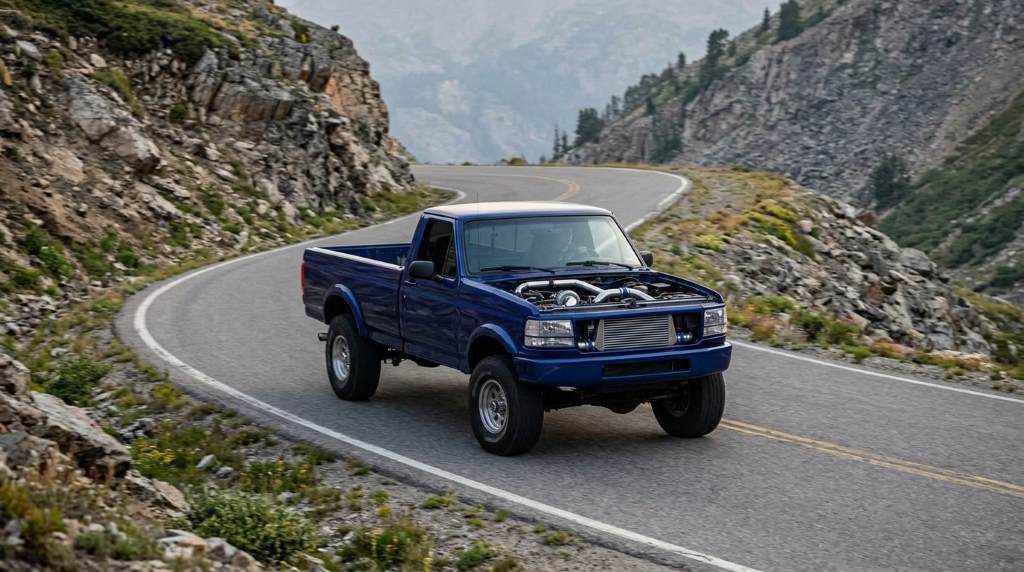
Turbocharged engines usually compensate better than naturally aspirated alternatives because forced induction restores some lost air density. Nevertheless, heavy modifications still place additional strain on drivetrain components throughout mountain routes.
Why Custom Conversions Experience Performance Loss
Every conversion changes vehicle dynamics because additional equipment affects weight distribution and rolling resistance. As a result, climbing steep roads requires greater engine output than factory specifications originally anticipated.
Larger wheels often improve appearance and off road capability. However, increased rotational mass reduces acceleration while making transmissions shift more frequently on uphill grades.
Roof racks, awnings, solar panels, and storage boxes increase aerodynamic drag at highway speeds. Consequently, engines consume more fuel while maintaining consistent cruising speeds across elevated terrain.
Reduced Engine Oxygen
Air density decreases as elevation rises because atmospheric pressure becomes lower. Therefore, combustion produces less energy during every engine cycle, limiting available horsepower.
Added Vehicle Weight
Conversion materials frequently add hundreds or even thousands of pounds. Accordingly, every extra pound increases climbing effort and braking distances during mountain travel.
Cooling System Stress
Heavy vehicles generate more heat while climbing extended grades. Furthermore, cooling systems must remove additional thermal energy despite thinner mountain air.
Mechanical Systems Most Affected by Sedona Elevation
Several components experience increased workloads whenever converted vans operate in mountainous environments. Therefore, recognizing vulnerable systems helps owners schedule preventive maintenance before problems appear.
Many travelers also hire a van before purchasing permanent conversions because real driving experience reveals practical performance expectations.
- Engine air intake systems
- Automatic transmission cooling circuits
- Brake pads and rotors
- Suspension springs and dampers
- Wheel bearings
- Battery charging systems
- Cooling fans and radiators
Routine inspections identify early wear before expensive repairs develop. Consequently, preventive maintenance saves money while improving long distance reliability.
Steering and Handling Become More Demanding
Mountain roads include frequent curves, elevation changes, and uneven pavement. Therefore, steering systems operate continuously throughout extended scenic drives.
Drivers noticing unusual steering noises should understand potential causes immediately. Fortunately, learning how power steering specialists diagnose pump issues supports faster repairs before larger failures occur.
Heavy roof loads also raise the vehicle center of gravity considerably. Consequently, careful cornering improves passenger comfort while reducing unnecessary suspension movement.
Electrical Demands Increase During Mountain Adventures
Modern conversions depend on batteries, solar charging, inverters, refrigerators, and communication equipment every day. Therefore, electrical systems require thoughtful planning before extended off grid trips.
Cold nights increase battery demand because heating equipment and ventilation fans operate longer. Meanwhile, repeated elevation changes influence charging efficiency through longer engine operating periods.
Owners should monitor battery voltage regularly instead of waiting for noticeable power shortages. Accordingly, early detection prevents inconvenient campsite interruptions during travel.
Preparation significantly improves vehicle performance before entering mountainous regions. Consequently, simple maintenance steps often produce meaningful long term benefits.
- Keep tire pressures within manufacturer recommendations.
- Reduce unnecessary cargo whenever possible.
- Replace dirty engine air filters regularly.
- Inspect cooling systems before long climbs.
- Use quality engine oil matching factory specifications.
- Monitor transmission temperatures during steep ascents.
- Plan fuel stops before remote mountain areas.
Professional inspections remain valuable before major road trips involving challenging elevations. Moreover, experienced technicians identify hidden issues that owners frequently overlook.
Choosing Smart Conversion Upgrades for Sedona Travel
Every upgrade should balance comfort, efficiency, durability, and vehicle weight. Therefore, thoughtful planning delivers stronger performance than installing every available accessory.
Lightweight cabinetry reduces unnecessary mass without sacrificing storage capacity. Likewise, efficient lithium batteries often outperform heavier alternatives while occupying less interior space.
Suspension upgrades improve stability when properly matched with total vehicle weight. Consequently, professionally engineered modifications usually outperform randomly selected aftermarket components.
Common Mistakes Owners Should Avoid
Many owners overload storage compartments because available space encourages carrying unnecessary equipment. Unfortunately, additional weight reduces climbing performance while increasing fuel consumption.
Ignoring transmission servicing creates avoidable mechanical stress during repeated mountain driving. Instead, following recommended maintenance intervals preserves smoother shifting under demanding conditions.
Another common mistake involves delaying cooling system inspections before summer travel. Therefore, preventative maintenance remains less expensive than emergency roadside repairs.
Final Thoughts
High altitude presents unique challenges for custom van conversions because thinner air, additional weight, and demanding terrain work together continuously. Nevertheless, informed planning greatly reduces performance concerns while protecting valuable upgrades.
Evaluate every modification according to your driving goals instead of appearance alone. Start preventive maintenance today and prepare your custom conversion confidently for Sedona’s unforgettable mountain roads.
Frequently Asked Questions
Why does altitude reduce engine power?
Higher elevations contain less oxygen, which limits efficient fuel combustion inside the engine.
Do turbocharged vans perform better in Sedona?
Yes, turbochargers compensate for thinner air better than naturally aspirated engines.
Does conversion weight affect mountain driving?
Yes, additional equipment increases climbing effort, braking distance, and fuel consumption.
Should I upgrade my cooling system?
A properly maintained cooling system often handles mountain travel more effectively than neglected components.
Can preventative maintenance improve reliability?
Yes, regular inspections reduce mechanical failures and improve overall vehicle performance.