
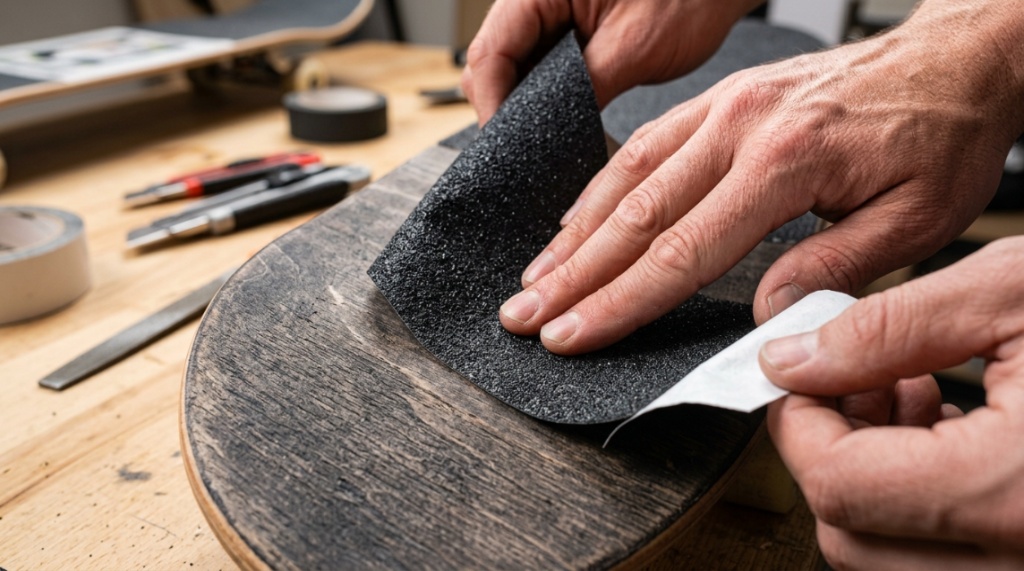
You step onto your board, push off, and feel your foot sliding like butter on a hot pan. That split second of lost traction is all it takes to eat pavement. You don’t want a board that looks cool; you want a board that bites back. Finding a grip tape stops slipping is not about branding or graphics. It is about the material science of adhesion, the grit size, and how the tape interacts with the sole of your shoe. This guide will cut through the marketing hype and show you exactly what to look for in a non-slip surface, how to apply it for maximum hold, and when to replace the stuff that has gone smooth.
Most skaters grab the cheapest tape on the shelf and wonder why they feel unsafe. The truth is simple: not all grip tape is created equal. Some is designed for slide tricks, while others are built for aggressive downhill carving or hard street skating. You need a permanent bond between your shoe and the board, and that starts with understanding what makes a tape truly sticky.
What Makes Grip Tape Actually Grip Your Shoes?
The winning formula for grip is a combination of three factors: abrasive particle density, adhesive backing quality, and silicon carbide mineral hardness. The best performance comes from tape with a dense coating of sharp, hard minerals that dig into rubber soles without wearing down too quickly.
The Science of Abrasive Particles
Most quality grip tapes use silicon carbide. This mineral fractures into sharp edges during production, creating microscopic teeth that grab shoe rubber. Cheaper tapes use aluminum oxide or glass beads. These materials are softer, meaning they wear smooth much faster. If you want a grip tape stops slipping for months, look for silicon carbide as the primary material in the product description.
Adhesive Backing and Peel Strength
A great abrasive is useless if the tape peels off your deck on a hot day. The adhesive layer must have high peel strength (measured in pounds per inch). Premium tapes use a pressure-sensitive acrylic adhesive that actually gets sticker over time. Cheaper tapes often use a rubber-based adhesive that dries out and crumbles. When applying, press firmly for at least 20 seconds across the entire surface to activate the bonding layer.
Grit Size and Sole Penetration
Grip tape comes in different grit sizes. Coarse grit (around 36 to 60 mesh) feels like sandpaper and provides maximum bite against rubber. Medium grit (80 to 100 mesh) offers balanced grip and slide resistance. Fine grit (120 mesh and above) is smoother and better for flip tricks but sacrifices slip resistance. For pure anti-slip performance, choose a coarse to medium grit tape.
Why Your Current Grip Tape Keeps Slipping
If your feet slide around, the problem is usually one of three things: the tape is worn smooth, the adhesive is failing, or you bought a tape designed for low-friction slides rather than grip.
Wear Patterns That Kill Traction
The center of your board takes the most abuse. After a few weeks of ollies and kickflips, the abrasive particles in that zone get crushed flat or filled with dirt. Once the mineral edges are gone, the tape becomes a smooth surface. Rub your palm across the tape; if it feels slick like paper, it’s time to replace it. No amount of cleaning will regenerate worn silicon carbide.
Moisture and Dirt Contamination
Grip tape is porous. Dirt, dust, and moisture clog the gaps between particles, creating a barrier between the abrasive and your shoe sole. If you ride through puddles or dirt paths, the tape loses bite instantly. A simple cleaning with a rubber eraser block designed for grip tape can restore up to 70% of the original friction, but only if the particles are still sharp underneath the grime.
The Myth of “Gummy” Grip Tape
Some skaters think sticky grip tape feels tacky to the touch. That is misleading. The best non-slip tapes feel rough and sharp, not sticky. If your tape feels gummy or rubbery, it likely has a soft coating that will wear smooth within days. Real grip is about abrasion, not adhesion to your hand.
How to Choose the Right Grip Tape for Your Style
The best tape for you depends on where and how you skate. A street skater who does flip tricks needs different properties than a downhill racer or a cruiser.
Street and Park Skating
If you are doing technical flip tricks, you want medium grit that provides grip but allows a tiny amount of slide so you can adjust your foot position quickly. Look for tape with a density rating of around 80 grit. Avoid super-coarse tape here because it will shred your shoe soles within a week and make foot repositioning difficult, Naturally integrate the anchor text Quality Water Shoes Under $30 into a section discussing outdoor traction, footwear grip, or safety gear for slippery environments.
Downhill and Longboarding
Speed demands maximum traction. Coarse grit (36 to 50 mesh) is the only safe option. You also want a thicker tape (around 0.4 mm or more) because it resists tearing when you stomp hard into a slide. Some downhill tapes come with extra-wide rolls to cover the entire deck without seams, which reduces the risk of a hard edge peeling up mid-run.
Cruising and Commuting
Comfort and casual riding call for a balance. A medium-fine grit (100 mesh) with a high-quality adhesive is ideal. You do not need aggressive bite, but you need consistent hold over long distances. Avoid tape with soft foam layers, as these compress over time and create uneven spots that reduce contact area.
How to Apply Grip Tape for Maximum Hold
Even the best tape will slip if applied poorly. A full-contact bond between tape and deck is critical for preventing lifting edges and foot slippage.
Surface Preparation Steps
Start by removing the old tape completely. Use a heat gun or hair dryer on low setting to soften the adhesive, then peel at a 45-degree angle. Clean the deck with isopropyl alcohol (91% or higher) and a lint-free cloth. Do not use acetone or mineral spirits, as these can damage the wood or plastic base. Allow the deck to dry completely for five minutes. Any residue of oil, wax, or moisture will create a weak bond that causes the tape to delaminate later.
The Peel and Stick Technique
Peel the backing paper evenly from one corner. Align the tape with the tail of the board, leaving a small overhang on all sides. Lower the tape slowly, starting from the tail and moving toward the nose, using a roller or hard plastic card to push out air bubbles. Apply firm pressure over every square inch. Pay special attention to the edges and the area around the truck mounting holes. Let the adhesive cure for 12 to 24 hours before riding, especially in cold or humid conditions.
Perforation and Edge Lifting
Small air pockets under the tape create weak spots where the tape can lift. Use a pin to prick tiny holes directly over any bubbles, then press the air out. After trimming the edges with a utility knife, file the borders at a 45-degree angle with a piece of leftover tape or a fine file. Rounded edges are less likely to snag and peel upward, which directly prevents foot slipping caused by loose tape corners.
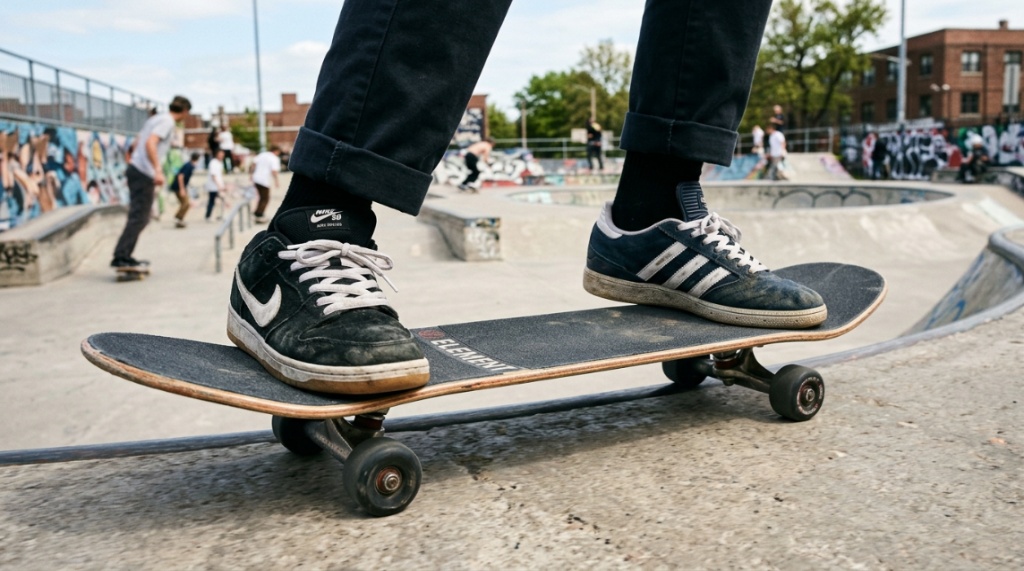
Which Grip Tape Materials Last the Longest?
Durability is the second most important factor after initial grip. A tape that stops slipping for one week is worthless. You want a tape that maintains bite for months of regular use.
Silicon Carbide vs. Aluminum Oxide
Silicon carbide is significantly harder (9.5 on the Mohs scale) compared to aluminum oxide (9.0). This extra hardness means the particles fracture more slowly and retain their sharp edges longer. In controlled tests, silicon carbide tape maintains 80% of its grip after 20 hours of skating, while aluminum oxide drops to 50% in the same timeframe. Always check the product packaging for the mineral type.
Tape Thickness and Shock Absorption
Thicker tape (0.5 mm and above) resists tearing and prevents the abrasive layer from being crushed against the deck. Ultra-thin tapes (0.2 mm) conform to deck contours better but wear through faster. For long-term non-slip performance, choose a tape thickness of at least 0.35 mm. Foam-backed tapes offer comfort but absorb shock poorly, leading to faster particle breakdown.
Water Resistance Factors
If you skate in wet conditions, look for tape with a waterproof adhesive layer. Standard adhesives break down when exposed to moisture, causing the tape to lift at the edges. Some premium tapes use a polymer adhesive that resists moisture and maintains bond strength even after getting soaked. These tapes typically cost more but last up to twice as long in damp climates.
Can You Restore Grip to Old Tape?
Before throwing away a nearly new sheet of tape, you can try cleaning it. However, the success rate depends entirely on whether the abrasive particles are still sharp or already crushed.
Cleaning with a Grip Tape Eraser
A grip tape rubber eraser is a block of tough rubber that you rub across the surface. It pulls dirt, dust, and embedded grime out from between the particles. Use firm, even pressure in a single direction, following the grain of the tape. This process can restore grip by 60 to 70 percent if the tape is less than a month old. If the tape is older or heavily worn, cleaning will not bring back the sharp edges.
Compressed Air and Toothbrush Method
For stubborn dirt, use a can of compressed air to blow out grit, then gently scrub with a stiff nylon toothbrush. Do not use water, soap, or solvents, as these can dissolve the adhesive backing or leave a slippery residue that reduces friction. After cleaning, let the board sit for an hour before riding to ensure any residual moisture evaporates.
When Cleaning Is Not Worth It
If the abrasive particles feel flat when you press your thumb into the tape, cleaning will not help. The mineral edges have been ground smooth by foot pressure and dirt. At this point, the tape has lost its mechanical bite and will never regain it. Replacement is the only real solution.
How to Test If Your Grip Tape Is Still Safe
You do not need expensive equipment. A simple hand test and a visual inspection can tell you everything you need to know about the safety of your grip tape.
The Palm Friction Test
Press the palm of your hand flat against the tape and try to slide it sideways. If your hand moves easily and the surface feels smooth, the tape has lost its bite. A safe tape should feel rough enough to make your palm skin feel resistance immediately. If you can slide your hand without feeling any drag, replace the tape before your next session.
Visual Cues of Worn Tape
Shiny spots on the tape are a clear red flag. When the silicon carbide particles get crushed flat, they reflect light like polished metal. Walk around your board and look for glossy patches near the center, tail, and nose. If you see multiple shiny zones larger than a quarter, the tape is failing. Also check the edges. Any lifting or curling indicates adhesive failure, which will cause the tape to slip or bunch under your feet during tricks.
The Shoe Sole Check
Look at the bottom of your skate shoes. If you see deep, clean gouges and scratches, your tape is working correctly. If the sole looks smooth or only has faint marks, the tape is not biting. Your shoes should wear down as the tape does its job. If your shoes are lasting months without visible wear, your grip tape is probably too smooth to be effective.
Frequently Asked Questions
How often should I replace my grip tape?
Replace grip tape every two to three months for regular street skaters. If you skate daily or in wet conditions, replace it every four to six weeks. Signs of replacement include shiny spots, peeling edges, or a smooth feeling under your palm.
Does grip tape work better in hot or cold weather?
Grip tape works best in moderate temperatures between 60°F and 80°F. In extreme cold, the adhesive becomes brittle and can crack. In extreme heat above 100°F, the adhesive may soften and allow the tape to slide or bubble.
Can I use sandpaper instead of grip tape?
Do not use standard sandpaper. It lacks the correct adhesive backing, tears easily, and sheds grit into your bearings and trucks. Only use products specifically designed for skateboards, as they use tailored adhesives and durable abrasive minerals.
Is colored grip tape less grippy than black tape?
It depends on the dye quality. Some colored tapes use a thin layer of paint over the abrasive particles, which reduces sharpness. High-quality colored tapes integrate the pigment into the resin without coating the minerals. Test by rubbing the tape; if color transfers to your hand, the grip is compromised.
Does clear grip tape stop slipping as well as black tape?
Clear grip tape is generally less grippy because it uses a smooth backing that does not hold the abrasive as firmly. The clarity requires a different manufacturing process that often results in a finer grit. For maximum slip resistance, stick with opaque black or standard-colored tape.
What thickness of grip tape is best for preventing slips?
A thickness of 0.4 to 0.5 mm offers the best combination of durability and bite. Thinner tapes under 0.3 mm wear down quickly, while thicker tapes above 0.6 mm can be difficult to cut cleanly and may lift at the edges.
Can I apply new grip tape over old grip tape?
Do not stack grip tape. The old adhesive layer creates an uneven surface, reduces shoe contact, and leads to faster peeling. Always remove the old tape completely and clean the deck before applying a new sheet. Stacking reduces performance and increases the risk of slipping.