
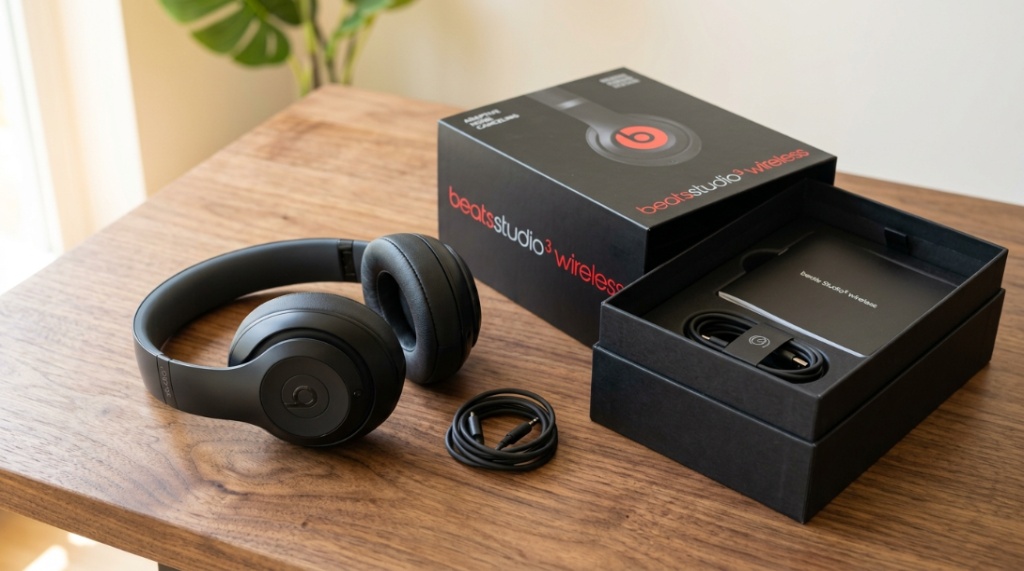
Beats headphones are among the most counterfeited consumer electronics products globally — an estimated 30–40% of “Beats” headphones sold through unauthorized online channels are fake, and the counterfeits have become sophisticated enough that even tech-savvy buyers get fooled by packaging, branding, and superficial build quality that mimics authentic Beats headphones nearly perfectly at first glance. Authentic Beats headphones come exclusively through Apple-authorized retailers and carry specific authentication markers that counterfeits consistently fail to replicate — but you need to know exactly what to check before, during, and after purchase to protect yourself from increasingly convincing fakes.
Fake vs real Beats headphones represent a growing consumer problem where counterfeit manufacturers produce convincing replicas using inferior drivers, cheap materials, and non-functional noise cancellation sold at legitimate-seeming prices through marketplace platforms, social media ads, and unauthorized third-party sellers. The difference between authentic Beats headphones and counterfeits affects sound quality, battery safety (counterfeit lithium batteries pose fire risk), warranty coverage, and long-term durability.
This guide teaches you the specific verification methods that identify counterfeits before purchase, upon arrival, and through software authentication — so your money goes toward genuine Apple-quality audio products, not convincing-looking electronic waste.
Why Are Beats Headphones So Heavily Counterfeited?
Three factors make Beats the most counterfeited headphone brand: high brand recognition creates demand at any price, the $150–$400 price range provides margin for profitable fakes at 50–70% discount, and the distinctive visual design (logo, color schemes) is easier to replicate externally than complex internal electronics — creating products that look right but sound wrong.
Counterfeit market mechanics:
- Brand recognition value: Beats’ celebrity marketing and cultural positioning creates buyers who want the brand identity as much as the audio quality. Counterfeiters exploit this — selling the appearance at a fraction of the price knowing buyers prioritize looks over verified authenticity.
- Profitable margins for fakers: A counterfeit Beats Studio Pro costs approximately $15–$25 to manufacture. Sold at $89–$149 (appearing as a “deal” on retail $349), each fake generates $65–$125 profit. The economics incentivize massive-scale counterfeiting operations.
- Visual-first design: Beats’ iconic aesthetic — specific colors, logo placement, material textures — can be visually replicated through photos. Buyers purchasing based on listing images can’t assess driver quality, ANC effectiveness, or internal build through pictures alone.
- Platform enforcement gaps: Amazon, eBay, and Facebook Marketplace struggle to police counterfeit listings at scale. New seller accounts appear daily listing “authentic” Beats at prices that should trigger suspicion but often don’t for uninformed buyers.
Where Are Counterfeit Beats Most Commonly Sold?
The highest counterfeit risk exists on: Amazon third-party sellers (not “sold by Amazon”), eBay listings below 60% of retail, Facebook Marketplace “sealed new” listings, Instagram/TikTok ad sellers linking to unknown websites, and Wish/Temu/AliExpress platforms. Authorized retailers carry zero counterfeit risk.
| Source | Counterfeit Risk | How to Stay Safe |
|---|---|---|
| Apple.com / Apple Store | Zero | Always genuine — buy with complete confidence |
| Amazon “Sold by Amazon.com” | Near-zero | Verify listing says “Ships from and sold by Amazon” |
| Best Buy, Target, Walmart (direct) | Zero (in-store and .com) | Major retailers stock only through Apple distribution |
| Amazon third-party sellers | HIGH (20–40% fake estimates) | Avoid unless Fulfilled by Amazon with 98%+ ratings and 1000+ reviews |
| eBay | HIGH for “new” listings below retail | Only buy from sellers with 99%+ rating, 5000+ sales, and eBay authentication |
| Facebook Marketplace | VERY HIGH | Avoid for new/sealed Beats entirely — no buyer protection for counterfeits |
| Social media ads (Instagram, TikTok) | EXTREMELY HIGH | Never buy electronics from social media advertisements linking to unknown stores |
| Wish / Temu / AliExpress | Near-certain counterfeit | Beats sold on these platforms are counterfeits priced accordingly ($20–$50) |
What Are the Red Flags Before Purchasing?
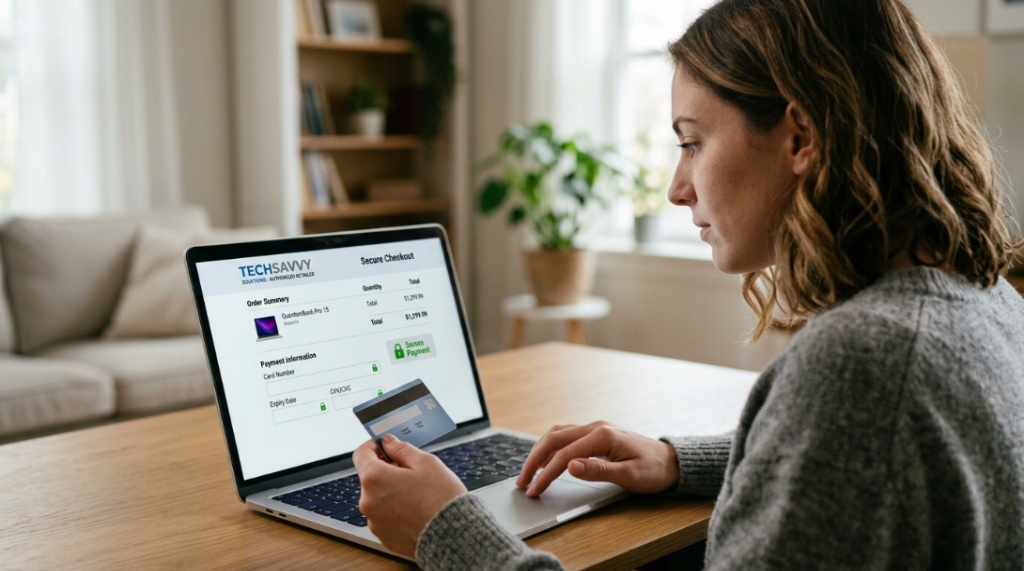
Pre-purchase red flags that indicate counterfeit Beats: pricing below 60% of retail without a verified sale event, seller account less than 6 months old, stock photos only (no unique seller images), vague product descriptions without model-specific technical details, and shipping from China/Hong Kong for “US authentic” listings.
Price-based red flags:
- Beats Studio Pro at $89–$129: Retail is $349. Even during Black Friday, genuine units rarely drop below $249. Below $200 from a non-major-retailer is almost certainly fake.
- Beats Fit Pro at $69–$99: Retail is $199. Legitimate sales reach $149–$159 maximum. Below $130 from unknown sellers indicates counterfeit.
- “Clearance” or “warehouse liquidation” claims: Apple tightly controls Beats distribution. Legitimate liquidation doesn’t happen through random eBay sellers or pop-up websites. These claims mask counterfeit sourcing.
Seller-based red flags:
- New seller accounts (under 6 months): Counterfeit operations create new accounts after old ones get flagged. Established sellers with years of history and thousands of reviews are significantly safer.
- Mixed inventory (electronics + fashion + home goods): Legitimate electronics sellers specialize. Sellers offering “Beats headphones” alongside “designer handbags” and “discount sneakers” are likely counterfeit clearinghouses.
- No return policy or “final sale”: Counterfeit sellers want to prevent returns that would expose the fakes. Legitimate retailers always offer standard return policies on Beats products.
For verified authentic Beats with guaranteed Apple warranty, the authentic Beats headphones guide links exclusively to authorized retail channels with buyer protection.
How Do You Identify Counterfeit Beats After Receiving Them?
Upon receiving Beats headphones, check five authentication points: serial number verification through Apple’s support page, packaging weight and print quality, Bluetooth pairing behavior (genuine Beats show Apple-ecosystem pop-up on iPhone), build material feel (counterfeits feel lighter and use cheaper plastics), and the Beats app recognition (counterfeits fail app pairing).
Post-delivery authentication checklist:
- Serial number check (most reliable): Find the serial number (printed inside the case or on the headband interior). Enter it at checkcoverage.apple.com. Genuine products show model info, purchase date, and warranty status. Counterfeits show “invalid serial number” or return information for a different product entirely.
- iPhone pairing pop-up: Genuine Beats with Apple W1/H1/H2 chips produce an automatic iOS pairing pop-up when opened near an iPhone. Counterfeits either don’t trigger this pop-up or show generic Bluetooth pairing. This is the fastest authentication for iPhone users.
- Beats app recognition: Download the Beats app (iOS) or find Beats in Settings (Android). Genuine products appear with full feature control (ANC levels, fit test, equalizer). Counterfeits fail to appear in the app or show limited/no functionality.
- Weight comparison: Genuine Beats have specific weights (Studio Pro: 260g). Counterfeits are typically 15–30% lighter due to cheaper materials and smaller batteries. A kitchen scale comparison against published specs reveals discrepancies immediately.
- Packaging quality: Genuine Beats packaging uses thick, premium cardboard with precise color printing, embossed logos, magnetic closures, and Apple-quality unboxing presentation. Counterfeits have thinner cardboard, slightly off colors (especially red tones), and misaligned text or logo placement.
What’s Different About How Counterfeits Sound and Perform?
Counterfeit Beats use generic $2–$5 drivers that produce muddy, bass-bloated sound without the tuning precision of Apple’s custom drivers. Their “noise cancellation” is either non-functional (just a button that does nothing) or basic passive isolation labeled as ANC. Battery life is typically 40–60% of genuine specifications, and Bluetooth range is significantly reduced.
Performance comparison — genuine vs. counterfeit:
- Sound quality: Genuine Beats use Apple-designed custom drivers with precise frequency tuning. Counterfeits use generic commodity drivers — bass is boomy and uncontrolled, mids are recessed, treble is harsh. The difference is obvious within 30 seconds of listening.
- Noise cancellation: Genuine Beats Studio Pro provides 25–30dB noise reduction. Counterfeit “ANC” is typically zero actual cancellation — the button activates a slight volume change or does nothing measurable. This is the easiest functional test to expose fakes.
- Battery life: Genuine Beats Studio Pro delivers 40 hours. Counterfeits typically deliver 8–15 hours despite identical claims on packaging. The smaller, cheaper batteries in fakes can’t match genuine capacity.
- Bluetooth performance: Genuine Beats maintain connection at 30+ feet with Apple’s custom chips. Counterfeits use generic Bluetooth modules with 10–15 foot range and frequent dropouts in crowded wireless environments.
- Build and comfort: Genuine Beats use specific cushion densities, headband tensions, and material grades calibrated for extended wear. Counterfeits feel cheaper, clamp harder or looser, and use foam that compresses permanently within weeks.
What Should You Do If You Accidentally Bought Counterfeit Beats?
Immediately initiate a return or dispute through the purchase platform. Document the counterfeit evidence (failed serial number, failed app recognition) with photos. Report the seller to the platform. If purchased through a credit card, initiate a chargeback for “item not as described” if the seller refuses return. Never keep counterfeits — they pose potential battery safety risks from unregulated lithium cells.
Action steps by purchase platform:
- Amazon: File “Item not as described” claim. Amazon typically refunds immediately and flags the seller. Document evidence with photos before returning.
- eBay: Open “Item not as described” case. eBay’s money-back guarantee covers counterfeit purchases. Provide serial number verification screenshot as evidence.
- PayPal purchase: Open dispute within 180 days citing counterfeit product. PayPal’s Buyer Protection covers unauthorized replicas.
- Credit card (any platform): Initiate chargeback with card issuer citing “merchandise not as described — counterfeit.” Chargebacks for counterfeit goods are well-established consumer protections.
- Facebook Marketplace / cash purchase: Limited recourse. Report seller’s profile for counterfeit sales. Small claims court is technically available but rarely practical for headphone-value amounts. Prevention (buying only from authorized sellers) is the only reliable protection here.
Where Should You Buy Guaranteed Authentic Beats Headphones?
Buy exclusively from Apple-authorized retailers for 100% authenticity guarantee: Apple.com, Apple Stores, Amazon (sold by Amazon), Best Buy, Target, Walmart (.com and in-store), Costco, and authorized electronics retailers. These sources receive inventory directly from Apple’s supply chain — counterfeits cannot enter their distribution.
- Apple.com / Apple Store (most reliable): Direct from manufacturer. Full warranty. Every unit genuine by definition. Free shipping. Educational pricing available for students.
- Amazon “Sold by Amazon”: Inventory sourced directly from Apple distribution. Verify the “Ships from and sold by Amazon.com” badge. Not third-party — Amazon’s own stock.
- Best Buy: Authorized Apple retailer. Full warranty. In-store availability for immediate verification and purchase. Price matches Amazon during sales.
- Target / Walmart: Authorized retailers with direct Apple supply agreements. In-store and online both genuine. Standard return policies apply.
- Costco: Authorized with occasionally exclusive bundle pricing. Extended Costco electronics warranty applies beyond standard Apple warranty.
The simple rule: if Beats are sold somewhere that also sells Apple products officially, they’re authentic. If the seller isn’t an Apple-authorized retailer, the risk is real and significant.
Once you have successfully verified your gear and avoided the online counterfeit traps, you’ll want to put that premium sound quality to good use. If you are tuning in from the Silicon Hills, check out our guide to the Top Music Streaming Options for Remote Workers in Austin, TX to optimize your daily workflow soundtrack.
How Much Should Authentic Beats Actually Cost?
Genuine Beats at full retail: Studio Pro ($349), Beats Fit Pro ($199), Beats Solo 4 ($199), Beats Solo Buds ($79). Legitimate sale prices drop 15–25% during Prime Day and Black Friday. Any price below these legitimate sale floors from non-authorized sellers should trigger counterfeit suspicion immediately.
| Model | Full Retail | Legitimate Sale Price | Counterfeit Suspicion Price |
|---|---|---|---|
| Beats Studio Pro | $349 | $249–$279 (during events) | Below $200 from unauthorized seller |
| Beats Fit Pro | $199 | $149–$159 (during events) | Below $120 from unauthorized seller |
| Beats Solo 4 | $199 | $149–$169 (during events) | Below $120 from unauthorized seller |
| Beats Solo Buds | $79 | $59–$69 (during events) | Below $45 from unauthorized seller |
Conclusion
Avoiding counterfeit Beats headphones requires one simple discipline: buy only from Apple-authorized retailers (Apple, Amazon sold-by-Amazon, Best Buy, Target, Walmart, Costco). Every other source carries meaningful counterfeit risk that no “deal” justifies. If you’ve already purchased from a questionable source, verify authenticity through serial number check at Apple’s website, iPhone pairing pop-up test, and Beats app recognition. Counterfeits fail all three verification methods. Never accept “too good to be true” Beats pricing — authentic Beats headphones never legitimately sell below 60% of retail from authorized channels. The $50 saved on a fake costs you sound quality, safety, warranty, and the actual product you intended to purchase.
Find guaranteed authentic Beats with current authorized-retailer pricing at the authentic Beats headphones buying guide linking exclusively to verified Apple-authorized sources.
Have you encountered counterfeit Beats? Share the red flags that tipped you off (or didn’t) in the comments — your experience helps other buyers avoid the same traps.
Frequently Asked Questions
How can I check if my Beats headphones are real?
Three verification methods: enter the serial number at checkcoverage.apple.com (genuine shows product info; fakes show “invalid”), open them near an iPhone (genuine triggers Apple pairing pop-up; fakes show generic Bluetooth), and connect via the Beats app (genuine shows full controls; fakes fail recognition). If any test fails, the product is counterfeit.
Are Beats on Amazon always authentic?
Only when “Sold by Amazon.com” — Amazon’s own inventory from Apple distribution is genuine. Third-party sellers on Amazon (even “Fulfilled by Amazon”) carry counterfeit risk because Amazon’s warehouse comingles inventory. Always verify the seller identity is Amazon itself, not a third-party using Amazon’s platform.
Why are fake Beats dangerous?
Counterfeit Beats use unregulated lithium batteries without proper safety circuits — creating fire and explosion risk during charging. They lack the battery management systems, thermal protection, and certified electrical components that genuine Apple products include. Beyond safety: fakes use lead-containing solder and non-compliant materials in ear cushions that contact your skin for hours.
Can counterfeit Beats connect to iPhones normally?
They connect via standard Bluetooth — but they DON’T produce the Apple-ecosystem quick-pair pop-up, don’t appear in the Beats app with full functionality, and don’t support Apple features like automatic switching between Apple devices, Find My tracking, or Spatial Audio. The connection works for basic audio but lacks all Apple-integration features.
Is it safe to buy Beats from eBay?
High risk for “new” Beats below retail pricing. Safer for clearly-disclosed “used/open-box” from high-rated sellers (99%+ with thousands of sales). eBay’s Authenticity Guarantee program covers some electronics — verify coverage before buying. Your safest eBay purchase: used from a verified seller at a reasonable used price, not “new sealed” at suspicious discounts.
Do fake Beats have noise cancellation?
Most counterfeits have NO actual noise cancellation despite buttons and labels claiming ANC. Pressing the “ANC” button either does nothing measurable or creates a slight volume/EQ change that simulates the perception of cancellation without actually reducing external noise. Real Beats ANC reduces 25–30dB; fake “ANC” reduces 0–3dB at most.
What’s the return policy if I buy counterfeit Beats from a legitimate retailer?
Legitimate authorized retailers (Apple, Amazon, Best Buy) don’t sell counterfeits — their supply chain prevents this. If you believe you received counterfeit Beats from an authorized retailer (extremely unlikely), contact the retailer directly. They’ll investigate and replace/refund immediately since their reputation depends on authentic inventory. File a formal complaint — it helps retailers identify supply chain breaches.
