
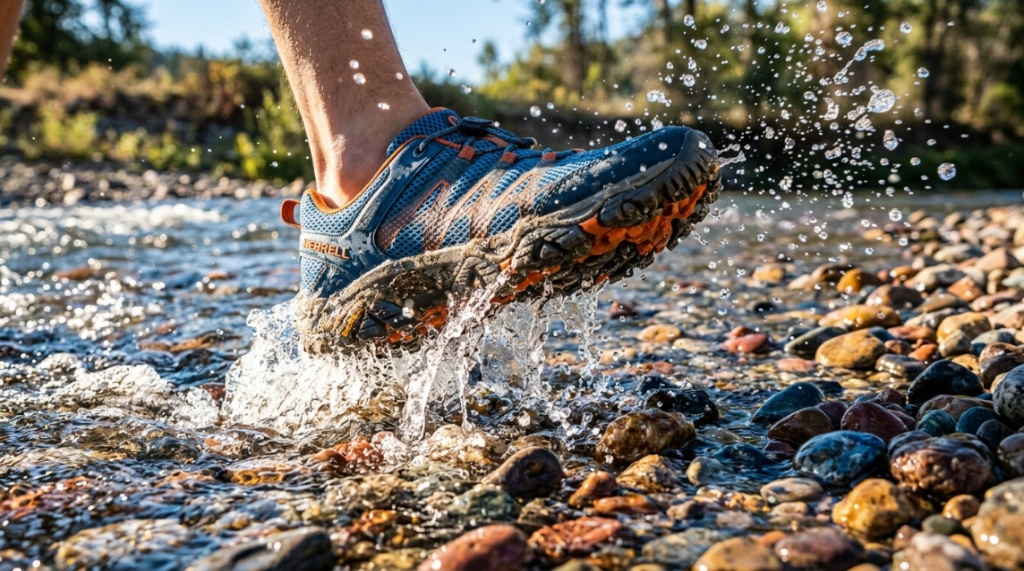
You are planning a trip to the beach, a river hike, or a kayaking adventure. You know you need foot protection, but the thought of spending $60 or more on shoes you will only wear in the water stings. You have probably bought cheap footwear before that fell apart after one use, leaving you frustrated and barefoot. The good news is that you do not have to sacrifice quality for affordability. The market for water shoes under $30 has matured significantly. You can find durable, comfortable, and grippy options that will last multiple seasons without breaking the bank. This guide will show you exactly what to look for, which features matter most, and how to avoid the traps of truly terrible budget gear.
What Makes a Water Shoe Worth Buying for Under $30?
Defining the Minimum Viable Features
A quality water shoe at this price point must check three core boxes: drainage, traction, and quick-drying material. If a shoe fails at any of these, it is not worth any amount of money. Look for mesh uppers that allow water to escape freely rather than trapping it inside. The sole should be a non-marking rubber with a distinct tread pattern designed for wet surfaces, not a flat slab of foam.
Why Price Does Not Always Equal Durability
Many premium water shoes use expensive branding and specialized materials like neoprene or full-grain leather. Budget-friendly options rely on synthetic textiles and EVA foam. These materials can be just as effective for casual to moderate use. The key difference is usually the longevity of the glue and stitching, not the overall performance.
When you see water shoes priced under $10, be cautious. They may lack proper arch support and use a thin outsole that offers no protection against sharp rocks or broken glass. Spending slightly more to reach that $20-$30 range drastically improves the quality of the sole compound and the strength of the upper mesh.
Which Materials Should You Look for in Budget Water Shoes?
Mesh Uppers and Their Role in Breathability
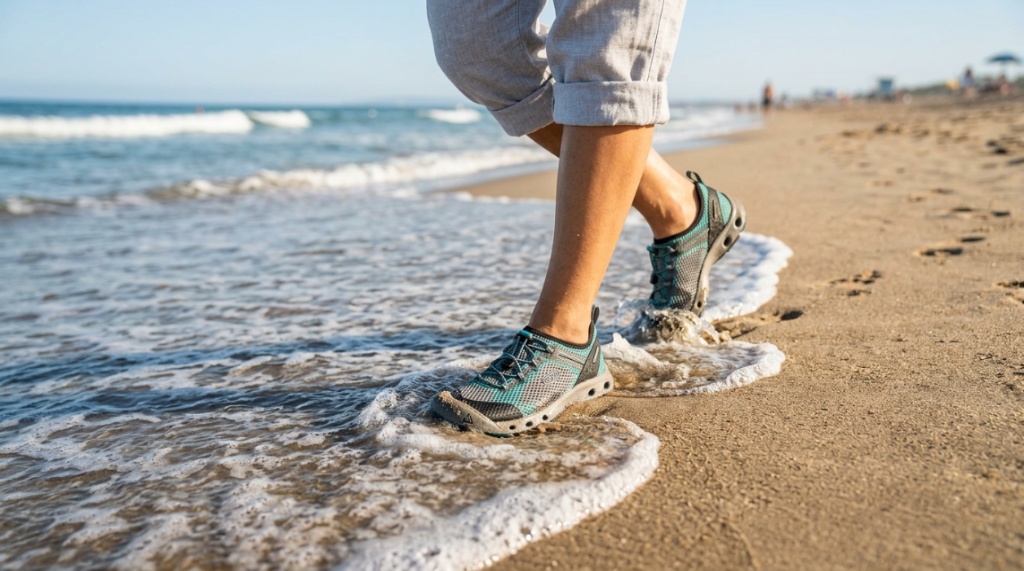
Most affordable water shoes use a knit or mesh upper. This is ideal because it allows water to flow through rapidly. It also lets air circulate, which prevents the shoes from smelling bad after a long day. Look for uppers that have reinforced stitching around the toe cap, as this is a common failure point.
Rubber Soles vs. EVA Foam Soles
There is a big difference between a solid rubber outsole and a shoe made entirely of EVA foam. Rubber soles provide genuine grip on slippery boat decks, mossy rocks, and wet concrete. EVA foam is lightweight and comfortable, but it becomes dangerously slick when wet. For the best water shoes under $30, prioritize models with a rubber outsole covering the entire bottom, not just a thin layer glued to foam.
The Importance of Quick-Drying Linings
A shoe that stays wet for hours is miserable and can cause blisters. Budget models often use polyester or nylon linings that dry in 30-45 minutes in direct sun. Avoid shoes with thick cotton linings or padded collars that hold water like a sponge. Check the product description for “quick-dry” or “drainage ports” specifically mentioned.
How Do You Ensure a Proper Fit Without Trying Them On?
Measuring Your Feet Correctly at Home
Sizing can be tricky with budget brands, which often run slightly smaller or larger than standard athletic shoes. Trace both feet on a piece of paper while standing. Measure from the heel to the longest toe. Compare this length in centimeters to the brand’s specific size chart. Never assume your regular shoe size will fit perfectly.
Why Toe Room Matters More Than You Think
When hiking upstream or walking on a rocky beach, your feet will slide forward inside the shoe. If the toe box is too tight, you will stub your toes constantly. Leave about a half-inch of space between your longest toe and the front of the shoe. This prevents painful impacts and helps with drainage.
Socks or No Socks with Budget Water Shoes
Many people wear water shoes without socks to maximize drainage. However, if the interior seam of a budget shoe is rough, it can rub your skin raw. Thin, moisture-wicking water socks can solve this problem without adding bulk. They also make getting the shoes on and off much easier when your feet are wet.
When Should You Use Water Shoes Instead of Going Barefoot?
Barefoot walking on a sandy beach seems fine until you step on a broken shell, a piece of glass, or a sharp rock. Water shoes with a thick sole provide essential protection against cuts and punctures. In murky water, you simply cannot see what you are stepping on, making shoes a safety necessity.
Performance in Muddy or Slick Conditions
Going barefoot on a muddy trail is dangerous. Without tread, your feet slide out from under you. A good water shoe with deep lugs bites into soft ground and provides stability. This is especially critical for fishing, where you are often moving along slippery banks or boat ramps.
Temperature Regulation and Sun Protection
Sand and dark surfaces can become painfully hot during summer afternoons. Water shoes insulate your feet from scorching ground temperatures. They also protect the tops of your feet from sunburn, which is easy to overlook while wading in clear water.
Can You Use Cheap Water Shoes for Fishing or Kayaking?
Durability for Abrasive Environments
Kayaking and fishing involve constant contact with rough surfaces like gravel, boat floors, and submerged wood. Budget water shoes can handle this type of use, but you must choose wisely. Look for models with a thicker toe cap and a reinforced heel. Shoes that are too flimsy will tear after a few outings on abrasive surfaces.
Grip Requirements for Wet Boat Decks
A slippery boat deck is one of the most dangerous situations for footwear. Cheap shoes with shallow tread patterns will not grip well. Ensure the rubber outsole has deep, widely spaced lugs. Many budget brands design their soles specifically for wet traction, making them perfectly suitable for kayaking and fishing as long as you replace them each season.
Real-World Experiences from Anglers
Experienced anglers often keep a pair of budget water shoes in their truck for impromptu wading trips. They know that spending more does not always mean better performance in the water. A solid $25 pair that drains well and grips properly is often preferred over a $70 pair that stays wet for hours. For specific recommendations on models tested by Texas anglers, check out this guide to water shoes under $30 which covers real-world field tests in saltwater and freshwater environments.
How to Care for Budget Water Shoes to Make Them Last
Rinsing After Every Use in Salt or Chlorine
Saltwater and pool chemicals destroy cheap materials quickly. Rinse your water shoes with fresh water immediately after use. Do not just dip them; run water through the interior to flush out sand, salt crystals, and debris. This simple step can double the lifespan of a budget pair.
Drying Methods That Prevent Material Breakdown
Never put water shoes in a dryer. The high heat warps the EVA foam and melts the glue holding the sole on. Instead, stuff them with newspaper or a dry towel to absorb moisture. Let them air dry in the shade. Direct sunlight can also degrade the mesh and rubber over time.
Repairing Minor Damage Before It Gets Worse
If you notice a small tear in the mesh or the sole starting to separate, fix it immediately. A dab of strong waterproof glue or a patch of Tenacious Tape can extend the life of your shoes by weeks. Do not wait until the entire sole flaps loose on your next trip.
What Are the Common Mistakes People Make When Buying Cheap Water Shoes?
Ignoring the Tread Pattern
The most common mistake is buying shoes with a smooth or very shallow tread. These are fine for swimming pools or sandy beaches, but they are dangerous for river hiking or rocky shores. Always examine the sole photos carefully. Deep, multi-directional lugs are what you need for real traction.
Buying the Wrong Size to Save Money
Trying to squeeze into a smaller size because it is on clearance is a bad idea. Water shoes that are too tight will cause blisters and restrict blood flow. Shoes that are too loose will allow your foot to slide, leading to instability and abrasion. Always prioritize fit over a discount.
Overlooking Drainage and Ventilation
Some cheap water shoes try to look like sneakers and have very few drainage holes. These trap water and feel like buckets on your feet. Look for models with obvious drainage ports on the sides or bottom. The upper mesh should be open enough to let water pour out freely the moment you step out of the water.
Looking for more ways to stay comfortable outdoors and at home on a budget? Once you’ve secured the perfect footwear for your summer adventures, make sure you’re getting restful recovery at night. Check out our comprehensive guide to finding a Cooling King Size Pillow for Hot Sleepers to beat the heat all season long.
Frequently Asked Questions
Are water shoes under $30 durable enough for hiking?
Yes, for light to moderate hiking on wet trails or rocky creek beds. They are not designed for long, rugged backpacking trips but will hold up well for a few miles of hiking through shallow water and over slippery terrain.
Can I wear water shoes for running on the beach?
Yes, but only for jogging on firm, wet sand. They lack the cushioning of running shoes, so doing high-impact running on hard surfaces could lead to foot pain. They are excellent for agility drills and casual running on soft sand.
How often should I replace cheap water shoes?
With proper care, a good pair of budget water shoes should last one to two seasons of moderate use. If you use them weekly in harsh environments, plan to replace them every year. Signs of wear include sole delamination, large tears in the mesh, and loss of tread.
Do water shoes provide good arch support?
Most budget water shoes offer minimal arch support. You can add thin, removable insoles if you need more support. Look for models with a molded footbed that has a slight contour, as these are more comfortable for all-day wear than completely flat insoles.
Can I put water shoes in the washing machine?
It is not recommended. The machine can damage the glue and deform the materials. Hand wash them with mild soap and water. If you must use a machine, put them in a mesh laundry bag and use a gentle cycle with cold water, then air dry them completely.
Are slip-on water shoes better than lace-up?
Slip-on water shoes are convenient for quick trips to the pool or beach. Lace-up shoes provide a more secure fit, which is necessary for hiking, kayaking, or fishing. For active use, choose lace-ups. For casual lounging in the water, slip-ons are fine.
What is the best way to dry water shoes quickly?
Remove the insoles and stuff the shoes with crumpled newspaper. The paper absorbs moisture from the inside out. Change the paper after a few hours. This method works much faster than air drying alone and prevents the mildew smell common to budget footwear.
Conclusion
Finding quality water shoes under $30 is not a fantasy. It simply requires you to be a smarter buyer. Focus on shoes with a real rubber outsole, a breathable mesh upper, and proper drainage. Avoid the traps of paper-thin foam soles and poor sizing. Measure your feet accurately, match the shoe to your specific activity, and care for them properly after each use. By following the advice in this guide, you can protect your feet, maintain your grip on wet surfaces, and save money for the more important parts of your outdoor adventure. Do not wait until you are standing on a sharp rock in bare water to wish you had made a better choice. Grab a reliable pair now and enjoy every step.