

Skateboarding brings freedom and excitement to millions worldwide. Many riders seek the perfect deck to match their style. However, choosing the wrong one leads to frustration and limits progress. This guide helps you find the ideal skateboard deck. For instance, explore options like the LOSENKA Maple Double Tail at this deck size guide, which offers reliable performance for various skill levels.
Moreover, skateboarding continues to grow in popularity. According to studies, proper equipment selection plays a key role in safety and enjoyment. For example, research shows that well-fitted gear reduces injury risks significantly. In addition, thousands of emergency visits occur annually from skateboarding, often linked to mismatched setups. Therefore, understanding deck choices matters more than ever.
Why the Skateboard Deck Matters Most
The deck forms the core of your skateboard setup. Riders stand on it, pop tricks, and carve turns. Consequently, its quality directly affects control, durability, and fun.
Furthermore, a good deck enhances your overall experience. It provides the right balance of flex and stiffness. Many skaters overlook this part at first. Yet, it influences every ride.
In addition, decks come in various materials and shapes. Maple remains the top choice for most. Its strength and pop make it ideal for street and park skating.
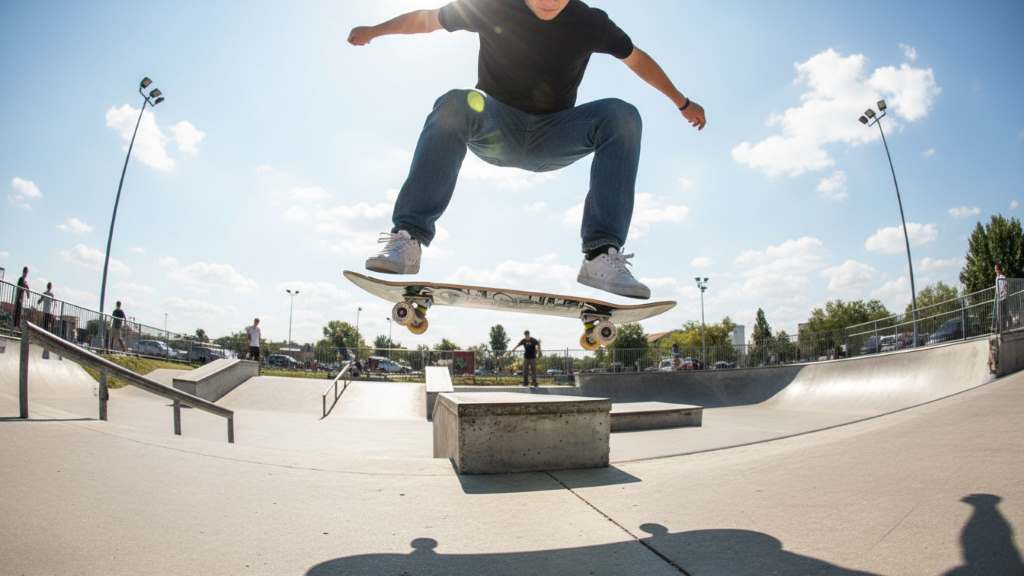
Understanding Deck Materials: Focus on Maple
Maple wood dominates skateboard construction. Manufacturers prefer it for good reasons. First, it offers excellent durability. Second, it delivers superior pop for tricks.
Additionally, 7-ply maple constructions provide the standard build. Layers glue together under pressure. This creates a strong yet lightweight board.
Russian or Canadian maple varieties stand out. They grow in cold climates, resulting in denser fibers. Thus, these decks resist breaking better.
The LOSENKA Maple Double Tail uses high-quality maple. It ensures lightness without sacrificing strength. Many riders appreciate this balance.
Other materials exist, like bamboo or composites. However, maple suits most styles best. It handles impacts well over time.
Deck Shapes and Features Explained
Deck shapes vary widely. Popsicle shapes rule modern skating. They feature symmetrical designs for versatile use.
Double kicktail designs shine here. Both nose and tail kick up equally. This symmetry aids switch skating.
Moreover, double tails offer advantages. Riders perform tricks in either direction easily. Consequently, progression speeds up.
Concave adds curve to the deck. It locks feet in place during maneuvers. Medium concave works for most skaters.
Deck features also include wheelbase length. This affects stability and turn radius. Longer bases suit transition skating.
Shorter ones favor technical flips. Choose based on your preferred terrain.
Deck Size Guide: Finding Your Perfect Fit
Deck size impacts everything from balance to trick execution. Width serves as the primary measure. Most range from 7.5 to 8.5 inches.
Narrower decks suit technical street skating. They flip faster and feel lighter. Wider ones provide stability for ramps.
Here’s a basic deck size guide based on shoe size and style:
- Shoe size under 7 (US): 7.5–7.75 inches wide → Great for kids or flip tricks.
- Shoe size 7–9: 7.75–8.25 inches → Versatile for street and park.
- Shoe size 9+: 8.25–8.5 inches or wider → Stable for transition or cruising.
Height plays a role too. Taller riders often prefer wider decks for comfort. Shorter skaters lean toward narrower ones.
Additionally, test different sizes if possible. Feel matters most. Many shops let you stand on boards.
The LOSENKA Maple Double Tail comes in standard sizes. It fits many riders comfortably.
Remember, no strict rules exist. Pros skate various widths successfully. Experiment to discover your preference.
Advantages of Double Kicktail Decks
Double kicktail decks revolutionized skating. They allow seamless switch riding. Tricks flow naturally in both stances.
Furthermore, symmetry simplifies learning. Beginners catch boards easier during flips. Advanced riders link combos smoothly.
In addition, double tails boost versatility. Ride regular or switch without adjustment. This opens creative lines.
Many modern pros favor them. Their balanced shape supports all terrains.
However, slight differences exist from traditional shapes. Some prefer steeper noses for nollies. Double tails even this out.
Overall, they suit progressing skaters best. The LOSENKA model exemplifies this design well.
Building Your Ideal Skateboard Setup
Your deck pairs with other components. Trucks, wheels, and bearings complete the setup.
Trucks match deck width closely. Wider decks need broader axles for balance.
Wheels vary by terrain. Smaller ones accelerate quickly for street. Larger suit rough surfaces.
Bearings affect speed. Higher-rated ones spin smoother.
Grip tape tops the deck. It prevents slipping during rides.
Consider your style when assembling. Street setups differ from park ones.
Moreover, complete skateboards offer ready options. Customs allow personalization.
Start simple if new. Upgrade parts as skills grow.
Tips for Beginners Choosing Their First Deck
New skaters face many choices. Start with medium width around 8 inches. It balances stability and maneuverability.
Additionally, prioritize maple construction. It forgives mistakes better.
Double kicktails help beginners too. They ease stance switches early.
Practice basics first. Ollies and turns build foundation.
Safety gear remains essential. Helmets reduce head injury risks dramatically.
Studies highlight protective equipment’s importance. Always wear it.
Join local communities. Other skaters share valuable advice.
Progress comes with consistency. Enjoy the process.
Maintaining Your Skateboard Deck
Decks last longer with care. Avoid water exposure. It weakens glue layers.
Furthermore, store indoors. Extreme temperatures warp wood.
Clean grip tape regularly. Dirt reduces traction.
Replace when razor tail appears. Sharp edges signal wear.
Rotate wheels occasionally. This evens tread.
Check trucks for tightness. Loose ones affect control.
Proper maintenance extends life. Ride more, replace less.
Advanced Considerations for Experienced Skaters
Seasoned riders fine-tune setups. Concave depth affects lock-in feel.
Wheelbase tweaks turn responsiveness. Shorter for quick snaps.
Material hybrids emerge. Some add fiberglass for strength.
Shape variations grow popular. Shaped decks revive old-school vibes.
Test new trends. Personal feel guides final choices.
Film sessions. Review footage reveals setup strengths.
Adapt as styles evolve. Skating stays dynamic.
Related:
Who won more World Championships in MotoGP?
6 gym exercises to avoid and change it right now
Conclusion
Choosing the right skateboard deck transforms your riding. Focus on size, material, and shape. Maple double kicktails like the LOSENKA offer excellent starting points.
Moreover, match choices to your style and goals. Prioritize fit and feel.
Safety and progression follow naturally. Skate often, stay safe, and have fun.
Ready to upgrade? Grab a quality deck today and hit the streets or park. Your next session awaits.
FAQs
What is the best deck material for beginners?
Maple stands out for beginners. Its durability and pop forgive errors while building skills.
How does deck width affect skating?
Narrower widths flip easier for tricks. Wider ones stabilize landings and transitions.
Why choose a double kicktail deck?
Double kicktails enable switch riding seamlessly. They boost versatility across stances.
How often should I replace my deck?
Replace when significant chips, cracks, or razor tail appear. Usage determines timeline, often months for daily riders.
Does height matter for deck size?
Height influences preference indirectly. Taller riders often favor wider decks for comfort, but shoe size guides best.
References
- Centers for Disease Control and Prevention (CDC) on skateboarding safety: https://archive.cdc.gov/www_cdc_gov/healthyschools/bam/cards/skateboard.html
- PubMed Central article on skateboarding injuries: https://pmc.ncbi.nlm.nih.gov/articles/PMC10995764/
- Skateboard deck sizing resources from evo: https://www.evo.com/blogs/guides/skateboard-guide-and-size-chart
- Information on maple deck construction: https://www.warehouseskateboards.com/help/Skateboard-Decks-Buying-Guide